
 FR
FR  EN
EN  DE
DE  ES
ES  PT
PT  NL
NL  SV
SV  JA
JA  KO
KO Dachshunds and Pembroke Welsh Corgis are both easy to love at first glance. They are short-legged, expressive, full of personality, and widely adored. But they were bred for very different jobs, and that difference still shows up in daily life. The Dachshund was developed to hunt badgers and other burrowing animals, while the Corgi gallois de Pembroke was bred as a lively herding dog. AKC describes the Teckel as clever, lively, and courageous, while it describes the Pembroke Welsh Corgi as affectionate, smart, and alert.
That working history shapes far more than appearance. Many owners find that Corgis tend to feel busier, more biddable, and more outwardly energetic, while Dachshunds often feel more independent, more scent-driven, and sometimes more stubborn. Owner discussions comparing the two say the same thing in plainer language: Corgis usually need more structured activity and training, while Dachshunds can be deeply affectionate but more selective about cooperation.
Quick Answer: What Is the Biggest Difference Between a Dachshund and a Corgi?
The biggest difference is usually energy and working style. Pembroke Welsh Corgis are generally more athletic, more trainable in a classic “let’s do something” sense, and more likely to need steady daily activity and mental work. Dachshunds are active too, but they often feel more independent, more scent-driven, and more likely to do things on their own terms. Both breeds can be wonderful companions, but the Corgi often fits an active, involved home more easily, while the Dachshund often suits people who like a smaller hound personality and are prepared for extra back-care awareness.
Dachshunds and Corgis At a Glance
| Trait | Teckel | Corgi gallois de Pembroke |
|---|---|---|
| Original job | Badger and small-game hunter | Herding dog |
| Typical energy style | Active, playful, but often more stop-and-start | Lively, athletic, and more consistently energetic |
| Training feel | Clever but often independent | Smart, willing, and usually easier to channel |
| Barking tendency | Can be vocal and alert | Can be vocal and watchdog-oriented |
| Health issue owners talk about most | Back health and IVDD risk | Weight control, joint strain, and long-backed structure |
| Family fit | Often loving, funny, and devoted, but may be more sensitive to handling | Often sturdy, social, and family-friendly with training |
| Best fit | People who like bold small hounds and can manage spine care | People who want a compact but genuinely active herding dog |
This summary matches AKC and PetMD breed guidance and also lines up with owner comparisons that repeatedly frame the Corgi as the more energetic, work-ready dog and the Dachshund as the more independent small hound.
Size and Build: Both Long, but Not Built the Same Way
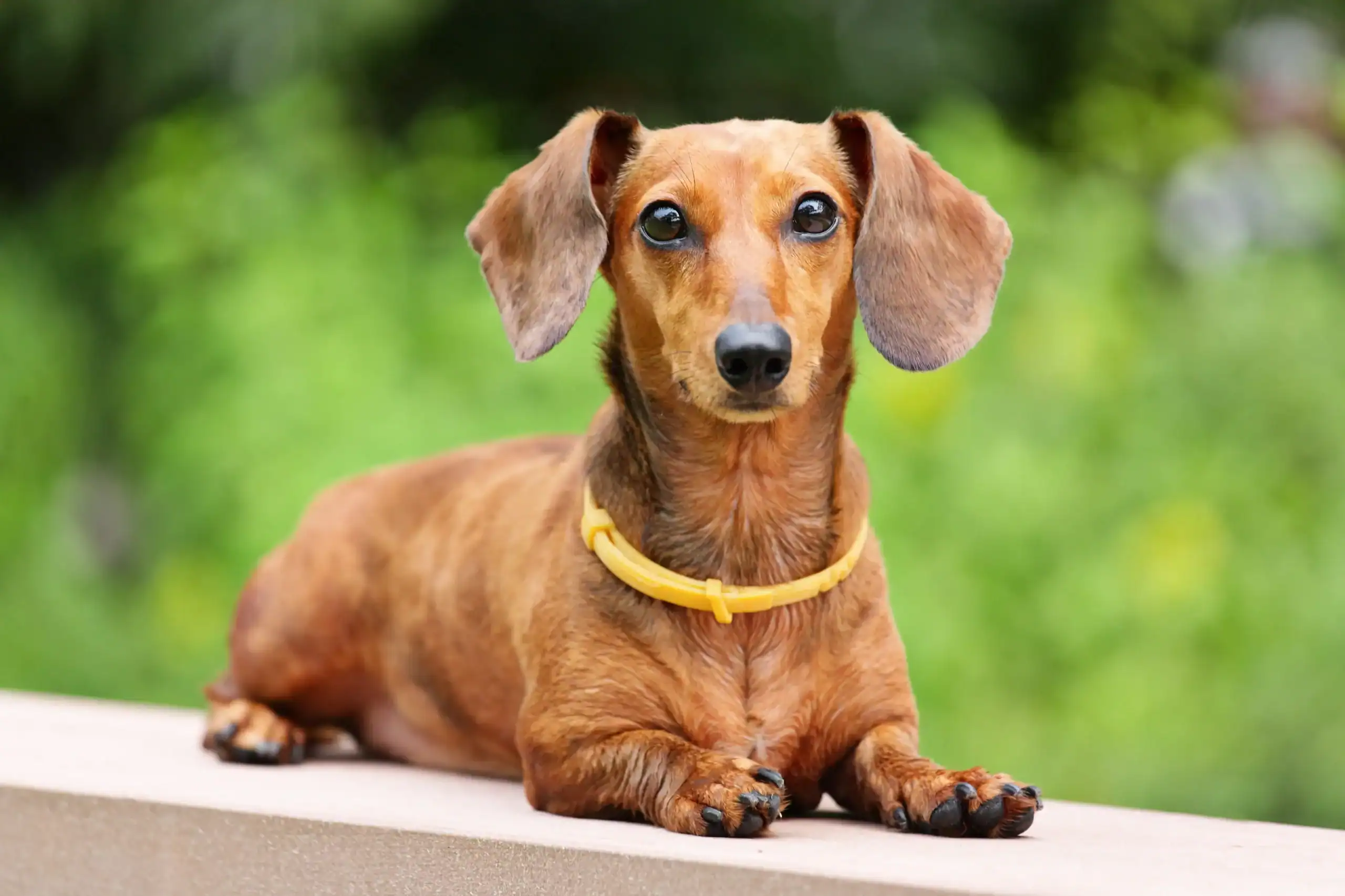
These breeds are sometimes grouped together because both are low to the ground and longer-bodied than many other dogs. Even so, they are not built the same way. Dachshunds are typically smaller overall and come in multiple coat types and size varieties, while Pembroke Welsh Corgis are sturdier, more medium-small in substance, and more obviously built for active movement. AKC notes the Dachshund’s famously long body and short legs, while AKC’s Pembroke page describes a strong, athletic little herder.
That difference matters in daily life. A Corgi often feels like a compact working dog shrunk downward, while a Dachshund feels more like a determined little hunter stretched outward. Owners notice it in everything from play style to stamina. Corgis often come across as more robust and ready to keep going, while Dachshunds may be more selective, more scent-focused, or more likely to conserve effort between bursts of play.
Temperament: Bold Little Hound vs Busy Little Herder
Dachshunds are often described as brave to the point of comedy. AKC calls them clever, lively, and courageous, and PetMD highlights their alert, spirited personality. That combination can make them charming, funny, and deeply attached to their people, but also a bit opinionated. Pembroke Welsh Corgis are also bright and confident, but AKC and PetMD describe them in ways that sound more overtly social and work-oriented: affectionate, companionable, alert, and highly intelligent.
In plain terms, many Corgis feel like they woke up ready for a job. Many Dachshunds feel like they woke up ready to investigate the world on their own terms. Owner comparisons consistently reflect that split. People often describe Corgis as more eager to engage in activity and training, while Dachshunds are described as more stubborn, more independent, and sometimes harder to persuade once they have made up their minds.
Which breed tends to feel more easygoing?
That depends on the dog, but many people find Dachshunds more likely to alternate between bursts of play and long, cozy downtime, while Corgis tend to need more regular engagement to stay balanced. That does not make the Dachshund automatically easier. It just means the breeds often express their energy differently.
Exercice et stimulation mentale
Exercise is one of the clearest lifestyle differences. Pembroke Welsh Corgis are small but genuinely athletic. AKC describes them as strong and lively, Hill’s says exercise is a must for both mental health and weight control, and PetMD says they are smart, active dogs who enjoy human company and need regular activity.
Dachshunds need exercise too, but the type matters more because of their structure. PetMD emphasizes that obesity raises their risk of back injury, and Dachshund health resources repeatedly stress low-impact, regular movement over careless high-impact activity. One Dachshund IVDD resource notes that proper walks are associated with better muscle tone and body condition than simply turning the dog loose in a garden.
That leads to a practical difference in routine. A Corgi often thrives with longer walks, training games, and mentally busy days. A Dachshund often benefits from steady daily walks, nose work, play, and enrichment that does not put unnecessary strain on the spine. Owner threads mirror this closely, with many saying the Corgi is the better fit for very active owners while the Dachshund is more likely to be content with a somewhat lower-output routine.
Trainability: Smart in Different Ways
Both breeds are intelligent, but their training style often feels different. Corgis are usually described as quick learners who respond well to reward-based training. VCA says Pembrokes are willing to please and learn quickly, though many can bark a lot and may nip at heels when excited because of their herding background. Dachshunds are also smart, but they are less often described as eager-to-please and more often described as independent thinkers.
That means the Corgi is often the easier breed for people who want a dog that enjoys structured training and activity for its own sake. The Dachshund may require more patience, more repetition, and a sense of humour. Owner discussions comparing the breeds routinely mention Dachshund stubbornness and note that the Corgi often feels easier to direct.
Why this matters for everyday life
The difference is not just about obedience classes. It shows up in recall, loose-leash walking, house training, barking, and how much effort it takes to get the dog engaged with what you are asking. A willing dog and a clever-but-independent dog can both be wonderful, but they do not ask the same things from their owners.
Back Health and Physical Limits
This is where the comparison becomes especially important. Dachshunds are famous for their long backs, and that comes with real risk. PetMD says the breed is very susceptible to back injuries and stresses the importance of avoiding obesity to support spinal health. The Dachshund Club of America also highlights IVDD as a major neurologic problem in the breed, and the Royal Kennel Club has an IVDD screening scheme specifically for Dachshunds.
Corgis also have a long-backed build, but they are not usually discussed with the same level of breed-defining IVDD concern as Dachshunds. Their bigger issue in daily pet homes is often staying lean, well-conditioned, and mentally satisfied enough to avoid weight gain and frustration. Even so, their body shape still means owners should use common sense about weight, repetitive jumping, and impact.
What this means in practice
If you choose a Dachshund, back care becomes part of everyday ownership. Weight control, sensible exercise, avoiding repeated strain, and noticing early warning signs matter. If you choose a Corgi, structure still matters, but the bigger daily challenge is often meeting energy needs without letting the dog become bored, barky, and overweight.
Barking, Watchdog Behaviour, and Household Noise
Both breeds can be vocal. Dachshunds are often excellent little watchdogs and may be quick to react to unusual sounds or visitors. Pembroke Welsh Corgis are also known for watchdog instincts. AKC describes them as alert, and AKC’s Corgi facts page specifically notes their “big dog” bark. VCA also says some Corgis can bark a lot.
That means neither breed is the obvious choice for someone who wants a very quiet dog with no watchdog opinions. The difference is often in style: Corgis may bark because they are alert, engaged, and stimulated by activity around them, while Dachshunds may bark with more territorial or hound-like conviction. Either way, early training matters.
Family Life and Children
Both breeds can do well in family homes, but the fit is not identical. Pembroke Welsh Corgis are often described as agreeable, affectionate house dogs and are usually seen as sturdy enough for active family life when training and supervision are in place. VCA says they are gentle and playful with children. Dachshunds can also be loving family dogs, but their smaller size, back vulnerability, and sometimes more sensitive handling preferences can make management a little more important around rough or very young children.
Owner discussions often reflect this too. When people compare the two for family life, the Corgi is more often presented as the easier fit for an active household, while the Dachshund is more often seen as a dog that thrives when children are taught to handle the dog carefully and respectfully.
Grooming and Coat Maintenance
Grooming varies more within the Dachshund breed because Dachshunds come in smooth, longhaired, and wirehaired coats. Pembroke Welsh Corgis, by contrast, have a dense double coat and are well known for shedding. AKC’s Corgi profile includes regular coat upkeep in the breed’s care picture, and general breed guides frequently flag shedding as a common owner complaint. Owner comparisons also regularly mention that the Corgi sheds more heavily than many people expect.
So while neither breed is impossible to maintain, the practical answer is that many Dachshunds are lower-fuss in coat care, especially smooth-coated ones, while the Corgi more often comes with steady brushing and a lot more loose hair in the house.

Dachshund vs Corgi: Which Breed Might Suit You Better?
Choose a Dachshund if
You love bold small-dog personality, do not mind some independence, and are comfortable building back-health awareness into daily life. Dachshunds often suit people who enjoy a funny, devoted little hound with a strong sense of self.
Choose a Corgi if
You want a compact dog that still feels like a real working partner, enjoy training and activity, and are ready for a more energetic, more consistently engaged daily companion. Pembroke Welsh Corgis often suit people who want a sturdy little dog with a bigger athletic engine than the body shape suggests.
Questions fréquemment posées
Which breed is more energetic, the Dachshund or the Corgi?
Usually the Pembroke Welsh Corgi. Corgis are generally more athletic and more consistently active, while Dachshunds are active too but often feel more stop-and-start in how they use their energy.
Which breed is easier to train?
Usually the Corgi. Both breeds are smart, but Corgis are more often described as willing learners, while Dachshunds are more often described as independent and stubborn.
Are Dachshunds or Corgis better for families?
Both can do well, but Corgis are often the easier fit for active family life, while Dachshunds may need more careful handling and more awareness of back safety.
Which breed has more serious back concerns?
The Dachshund. Their body shape is strongly associated with IVDD and other back problems, so weight control and spine-friendly management are especially important.
Do both breeds bark a lot?
They both can. Corgis are alert watchdogs with a big bark, and Dachshunds are also known for being vocal and quick to announce what they notice.
Which breed sheds more?
Usually the Pembroke Welsh Corgi, especially compared with a smooth-coated Dachshund. Corgis have a dense double coat and are widely known for regular shedding.
Dernières pensées
Dachshunds and Corgis may share a short-legged silhouette, but they bring different things into a home. The Dachshund often feels like a bold little hunter in a compact body. The Corgi often feels like a real working herder shrunk down to family size. Both can be deeply lovable, funny, and full of character, but they ask different things from the people living with them.
For many people, the better choice comes down to whether they want the more independent hound personality or the more energetic herding personality. Once that part is clear, the rest of the decision usually gets easier.