
 JA
JA  EN
EN  FR
FR  DE
DE  ES
ES  PT
PT  NL
NL  SV
SV  KO
KO The Chihuahua may be tiny, but its history is not. This breed has one of the most recognizable identities in the dog world, and its story reaches back much farther than many people realize. The most widely accepted view is that the Chihuahua has deep roots in Mexico and is linked to the Techichi, a small companion dog kept in pre-Columbian Mesoamerica. AKC says the Toltecs of what is now Mexico had a dog called the Techichi as early as the 9th century, and PetMD says historical records describe small dogs in the region that later became associated with the modern チワワ.
That ancient background is one reason the breed attracts so much fascination. Chihuahua history combines archaeology, cultural tradition, colonial-era accounts, breed development in Mexico, and modern kennel-club recognition. There is broad agreement on the breed’s Mexican identity, but some details of its earliest development are still debated. AKC’s breed-history article notes that while Mexico is the most likely homeland, other theories have circulated over the years, including ideas involving small dogs brought by Europeans.
Quick Answer: Where Did the Chihuahua Come From?
The Chihuahua is generally considered a Mexican breed with roots tied to ancient small dogs of Mesoamerica, especially the Techichi. Most modern breed histories trace the Chihuahua’s development through Mexico, with the breed taking its name from the Mexican state of Chihuahua, where Americans encountered and bought many of these dogs in the 19th century. AKC formally recognized the breed in 1904.
Chihuahua History at a Glance
| Historical Stage | What Happened | Why It Matters |
|---|---|---|
| Ancient Mesoamerica | Small dogs associated with the Techichi were kept by pre-Columbian peoples in Mexico | Forms the strongest early foundation for Chihuahua history |
| Toltec and later Aztec period | Small companion dogs held cultural and spiritual importance | Helps explain why the breed’s ancestry is linked to ritual and household life |
| Spanish colonial era | European accounts described small dogs in the region | Shows continuity of small-dog presence in Mexico after contact |
| 19th-century Mexico | Visitors and traders encountered small dogs in Chihuahua and brought them to the U.S. | Marks the beginning of the modern breed’s wider visibility |
| Early 20th century | AKC recognized the Chihuahua in 1904 | Established the breed formally in American dog culture |
| Modern era | The breed became a global companion dog with both smooth and long coats | Shows how an ancient regional dog became an international favorite |
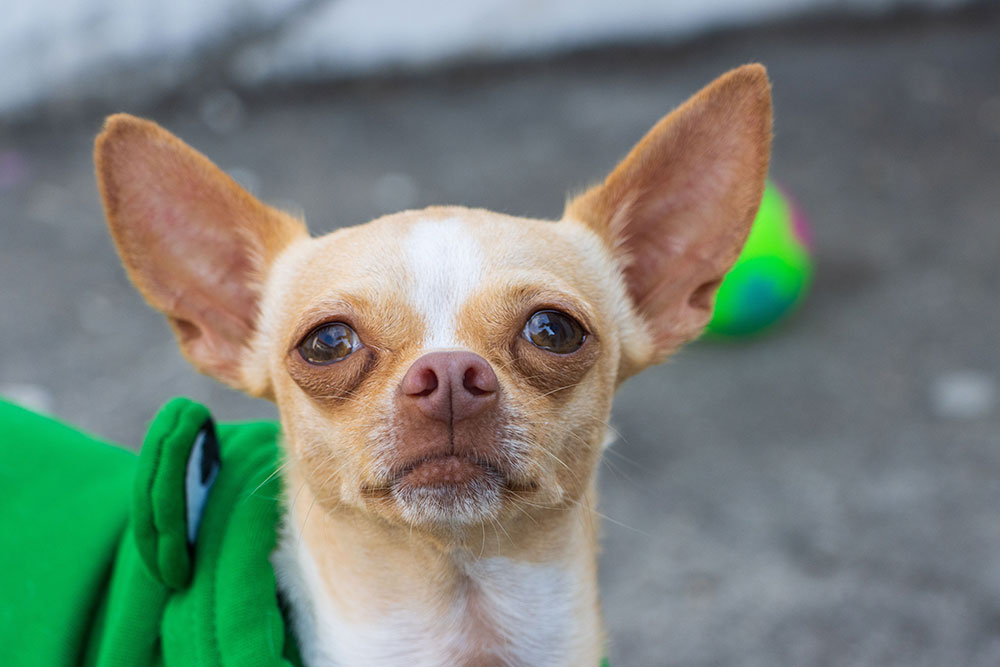
The Ancient Roots of the Chihuahua
The Chihuahua is widely associated with the Techichi, a small dog linked to ancient Mexico. AKC states that the Toltecs possessed a dog called the Techichi, and Britannica likewise says the Chihuahua is thought to derive from that small mute dog kept by the Toltecs as early as the 9th century. ASPCA Pet Health Insurance also summarizes the same historical line, describing evidence that Chihuahuas trace their lineage back to the Techichi, which was valued by the Toltecs.
Those ancient dogs were not simply early “lap dogs” in the modern sense. Historical accounts commonly connect them with both companionship and spiritual beliefs. ASPCA says upper-class Toltecs regarded these small dogs as sacred and believed they could guide the soul into the afterlife. That spiritual role shows up often in breed-history writing because it helps explain why the ancestors of the Chihuahua were remembered so clearly in regional tradition.
What historians and genetic research support most strongly
The strongest modern support for the Chihuahua’s Mexican roots comes from genetic research. A peer-reviewed mtDNA study published in 2013 found that the Chihuahua shared a haplotype uniquely with ancient Mexican pre-Columbian samples, which the authors said showed genetic continuity over time and geography and corroborated the breed’s Mexican origins. A 2025 genetics summary from CNRS similarly reported that the Chihuahua remains the dog breed with the most traces of authentic Mesoamerican genetic lineages.
The Techichi Connection: What It Likely Means
The Techichi is central to Chihuahua history, but it is helpful to describe that connection carefully. The common claim is not that the modern Chihuahua is a perfect unchanged copy of the Techichi. It is that the Techichi is understood as an important ancestral type in the breed’s development. AKC’s breed information and history materials both treat the Techichi as the key ancestral thread, while also acknowledging that the full origin story includes uncertainty and competing theories.
That nuance matters because breed history often gets oversimplified. Some retellings present the story as if every detail is settled beyond dispute. The more accurate version is that the Chihuahua’s Mexican origin is strongly supported, while the exact path from ancient small dogs to the standardized modern breed was likely gradual and influenced by several periods of change.
Did the Chihuahua Come Only From the Techichi?
Not everyone has agreed on a single-origin story. AKC’s history page notes that some theories suggested small dogs from Malta or China may have contributed to the breed’s development, though Mexico remains the most likely homeland. A Chihuahua club history page from Australia also summarizes the traditional debate by noting that some believe the breed descends from the Techichi alone, while others think small imported dogs may have mixed into the line later.
Even with those alternate theories, the broad direction of modern evidence still favors the Chihuahua’s deep Mexican roots. The genetic continuity reported in the 2013 pre-Columbian dog study is one reason that older ideas about a mainly foreign origin carry less weight today than they once did.
How the Breed Survived Into the Modern Era
By the 19th century, Americans traveling in Mexico began buying the little dogs that would become known as Chihuahuas. PetMD says conquistador-era documents reported many small dogs in the region now known as Chihuahua, and later the breed became better known as a house pet in the early 20th century. AKC’s history coverage also places much of the breed’s modern visibility in 19th-century Mexico, especially in the state of Chihuahua, which ultimately gave the breed its name.
This period is important because it is where ancient ancestry turns into recognizable breed history. The Chihuahua stops being just an archaeological or cultural story and becomes a dog actively traded, shown, bred, and documented in a more modern sense. That shift is what carried the breed from regional fame into international recognition.
When the Chihuahua Became an Official Breed
The Chihuahua was formally recognized by the American Kennel Club in 1904. PetMD states this directly, and AKC’s breed-history material also traces the growth of organized Chihuahua breeding and the later formation of the Chihuahua Club of America in 1923. Those milestones helped move the breed from a curiosity associated with Mexico into a firmly established purebred companion dog in the United States.
Why kennel-club recognition mattered
Recognition gave the breed a written standard, a growing breeder community, and a more stable public identity. It also helped clarify coat types, size expectations, and the kind of head shape and general outline people now associate with Chihuahuas. Over time, the breed became one of the most recognizable toy dogs in the world.
From Mexican Origin to Global Popularity
The modern Chihuahua is best known as a companion breed, but its popularity did not happen all at once. PetMD notes that the breed became more widely known as a house pet in the early 20th century, and AKC’s broader history of the breed shows steady development through clubs, shows, and registration growth. Today the Chihuahua is globally recognizable, but that fame sits on top of a very old regional history rather than replacing it.
Breed-specific blogs and owner communities often reflect this mix of pride and fascination. Chihuahua-focused writers routinely return to the ancient Mexico story, the Techichi connection, and the breed’s surprising historical depth because it contrasts so sharply with the stereotype of the Chihuahua as “just” a modern purse dog. One recent Chihuahua blog history piece leans into exactly that contrast, framing the breed as an ancient small dog whose modern image often hides a much older story.
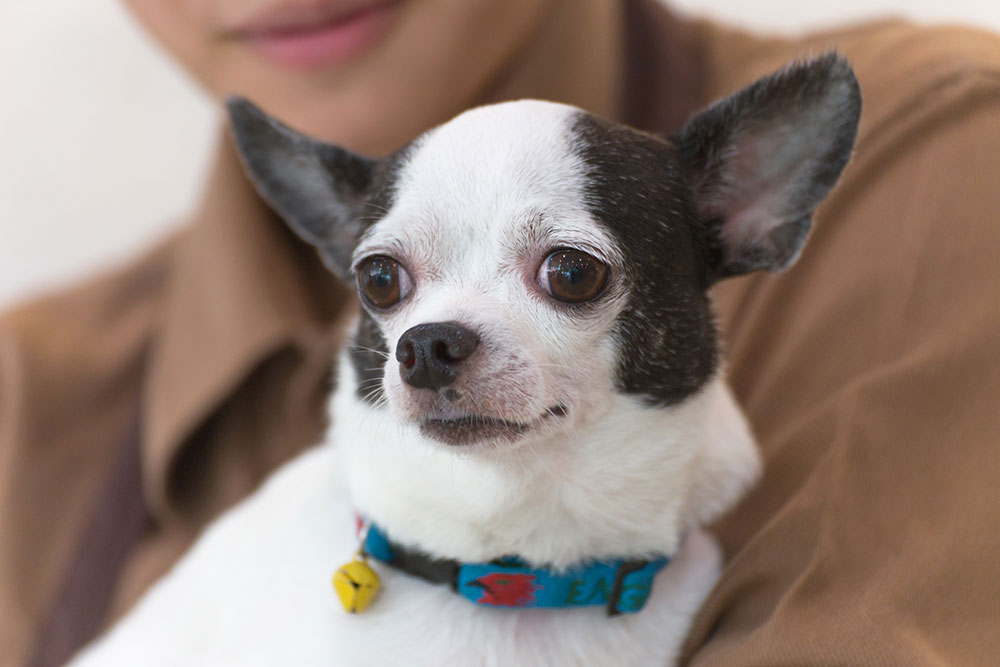
What Chihuahua Owners Still Notice About the Breed Today
History does not determine personality perfectly, but it can help explain why the breed feels so distinct. Modern Chihuahua owners often describe their dogs as bold, intense, loyal, and much bigger in attitude than their body size suggests. Chihuahua-specific forums and Reddit threads regularly treat that oversized personality as one of the breed’s defining traits, and some owners explicitly connect that spirit to the breed’s long and unusual history.
That does not prove a straight line from ancient ritual dog to modern household comedian, but it does show why the breed’s history still matters to people who live with Chihuahuas now. The dog’s identity feels older and more culturally rooted than its size might suggest.
Ancient Chihuahua Ancestor vs Modern Chihuahua
| Feature | Ancient Techichi-Type Dogs | Modern Chihuahua |
|---|---|---|
| Historical setting | Pre-Columbian Mesoamerica, especially associated with Toltec culture | Modern recognized companion breed with Mexican identity |
| Role | Companionship, cultural and spiritual significance | Primarily companionship |
| Documentation | Archaeology, cultural accounts, later historical interpretation | Breed standards, kennel-club records, modern genetics |
| Public image | Sacred or symbolic small dog in ancient societies | Tiny but bold pet with worldwide recognition |
| Certainty level | Important ancestral link, but not every detail is fully settled | Well-established modern breed |
Why the Chihuahua’s History Stands Out
Part of what makes the Chihuahua so interesting is that its history is both local and far-reaching. It is local because the breed’s identity is deeply tied to Mexico, especially the state of Chihuahua and the pre-Columbian cultures associated with small ancestral dogs. It is far-reaching because modern genetic work suggests that the breed still carries traces of that ancient Mesoamerican lineage in a way that is unusual among modern dogs.
That combination gives the Chihuahua a richer story than its size might imply. It is not just a fashionable toy breed with a colorful reputation. It is also one of the clearest surviving links between ancient American dog history and a modern recognized breed.
よくある質問
Where did the Chihuahua originate?
The Chihuahua is generally considered a Mexican breed. Most modern breed histories place its roots in ancient Mexico and connect it to the Techichi, a small dog associated with pre-Columbian Mesoamerican cultures.
Is the Chihuahua descended from the Techichi?
The Techichi is widely viewed as an important ancestor of the Chihuahua. While not every detail of the breed’s early development is fully settled, AKC history and genetic studies strongly support a deep Mexican ancestral connection.
Why is the breed called Chihuahua?
The breed takes its name from the Mexican state of Chihuahua, where many of the small dogs identified with the breed were encountered and sold in the 19th century.
When did the AKC recognize the Chihuahua?
The American Kennel Club recognized the Chihuahua in 1904.
Are there debates about Chihuahua origins?
Yes. Mexico is the most widely accepted homeland, but older theories suggested that small imported dogs from places like China or Malta may also have played a role. Modern evidence still points most strongly toward deep Mexican roots.{index=25}
Does the Chihuahua still carry ancient ancestry today?
Yes, to a degree. Modern genetic research has found continuity between Chihuahua DNA and ancient Mexican dog samples, and recent scientific reporting says the breed still carries notable traces of Mesoamerican lineage.
Why do Chihuahuas shake so much?
Chihuahuas are prone to shivering due to their small size and high metabolism. They lose body heat quickly, making them sensitive to cold. Excitement, anxiety, or stress can also cause them to tremble. Keeping them warm and providing a calm environment helps reduce shaking.
最終的な考え
The Chihuahua’s history is much older and more layered than its modern image suggests. It is a breed tied to Mexico not only by name, but by long cultural memory, historical accounts, and genetic evidence. The exact details of its earliest development still leave room for debate, but the broader picture is remarkably strong: the Chihuahua is one of the clearest modern breeds with visible roots in ancient Mexico.
That history is part of what makes the breed so compelling. The Chihuahua may be small enough to fit on a lap, but its story stretches across centuries.