
 KO
KO  EN
EN  FR
FR  DE
DE  ES
ES  PT
PT  NL
NL  SV
SV  JA
JA The Scottish Deerhound and the Irish Wolfhound are often grouped together because they share a similar outline, a rough coat, and a long history as giant sighthounds. They also share a certain quiet dignity that makes them instantly memorable. But living with them is not exactly the same experience. The Irish Wolfhound is usually the bigger, heavier dog, while the Scottish Deerhound is generally leaner, lighter-framed, and often a little more understated in presence. AKC says the Irish Wolfhound is the taller and more massive of the two, while the Scottish Deerhound is bred on a more racy, Greyhound-like outline.
Temperament is where the comparison gets more useful for everyday owners. The Irish Wolfhound is commonly described as calm, affectionate, and deeply companion-oriented. The Scottish Deerhound is also gentle and easygoing, but breed sources and owner discussions often describe Deerhounds as a little more independent in feel, even if they are still loving dogs. In owner conversations, people often say the two breeds are similar in kindness and prey drive, but the Wolfhound feels bulkier and more openly companionable, while the Deerhound can feel more lightly built and a bit more quietly self-possessed.
Quick Answer: What Is the Biggest Difference Between a Scottish Deerhound and an Irish Wolfhound?
The biggest difference is usually size and overall feel. Irish Wolfhounds are typically taller, heavier, and more massive, while Scottish Deerhounds are leaner, lighter, and more Greyhound-like in build. Temperament-wise, both are gentle giant sighthounds, but Wolfhounds are more often described as calm, affectionate companions with a broad family-dog presence, while Deerhounds are often described as easygoing but a little more independent and finely built.
Scottish Deerhound vs Irish Wolfhound at a Glance
| Trait | Scottish Deerhound | 아이리쉬 울프하운드 |
|---|---|---|
| Overall size | Giant, but lighter and narrower | Giant and usually more massive overall |
| Build | More racy, Greyhound-like | Heavier-boned and broader |
| Temperament | Gentle, easygoing, often a bit independent | Calm, affectionate, companion-oriented |
| Exercise style | Needs room to run and daily exercise | Needs daily exercise, but often calmer in feel |
| Prey drive | High enough to matter | High enough to matter |
| Trainability | Sensitive, patient training works best | Sensitive, early manners matter because of size |
| Family fit | Often good in calm homes with space | Often good in affectionate, involved homes |
| Visual impression | Elegant, athletic, deer-chasing hound | Imposing, noble, wolf-hunting giant |
This table reflects AKC breed descriptions, PetMD breed-care pages, and owner comparisons that repeatedly frame the Wolfhound as the larger, broader dog and the Deerhound as the more lightly built giant sighthound.
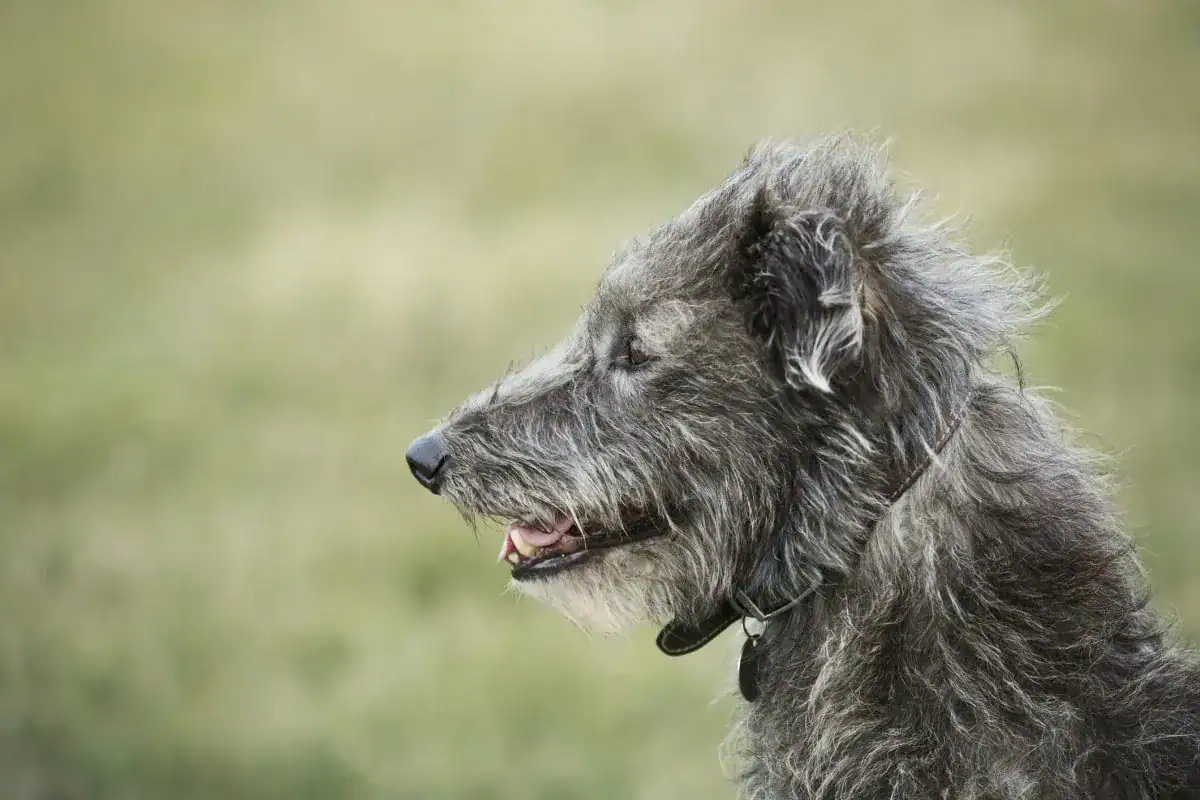
Size and Build: Similar Shape, Different Scale
At a glance, these breeds can look like close cousins, and in many ways they are. Both are rough-coated giant sighthounds with deep chests, long legs, and an athletic outline. But the size difference is real. PetMD says the Irish Wolfhound is larger than the Scottish Deerhound, usually standing an inch or two taller at the shoulder and weighing more. The Irish Wolfhound Club of America standard sets a minimum of 32 inches and 120 pounds for males, while the Deerhound is generally described as a giant but lighter-framed breed.
That difference affects daily life more than many people expect. A Wolfhound takes up more space, carries more physical presence, and can feel more substantial moving through the house. A Deerhound is still enormous by ordinary standards, but the body often feels more streamlined and athletic. Owner comparisons often boil it down this way: the Wolfhound feels broader and more imposing, while the Deerhound feels taller-and-lighter in motion.
Temperament: Both Gentle, but Not Exactly the Same
Both breeds are usually described in warm terms. AKC says the Irish Wolfhound is courageous, dignified, and calm. PetMD says Irish Wolfhounds are gentle, calm, and affectionate with most people. Scottish Deerhounds are also described as easygoing and gentle; AKC says they have a quiet, dignified personality in the home, and PetMD describes their temperament as easygoing though somewhat independent.
The difference is less about one breed being “nice” and the other not, and more about tone. The Irish Wolfhound often comes across as a calm, emotionally soft giant companion who wants close daily contact. The Scottish Deerhound often reads as similarly kind, but a bit more self-contained. Deerhound-specific sources also mention that they can be more independent thinkers and may require patience rather than expecting eager obedience.
What owners often notice first
Owner discussions comparing the two often say the temperaments are broadly similar in gentleness, but not identical in expression. Wolfhounds are frequently described as calm and openly affectionate, while Deerhounds are often described as gentle and lovely but slightly more reserved in style.
Exercise and Daily Life
Neither of these breeds is a nonstop, frantic dog in the way some high-drive working breeds are, but both still need purposeful exercise. PetMD says Scottish Deerhounds generally need at least an hour or more of daily exercise for mental and physical wellbeing. The Irish Wolfhound is commonly described as calm, but that should not be confused with inactive. They still need daily movement, space, and thoughtful handling, especially during growth and adolescence.
In practical terms, Deerhounds often feel a little more overtly athletic, which makes sense given their deer-chasing history. Wolfhounds are also athletic, but many owners describe them as calmer in the home. That does not remove the need for exercise; it just changes the vibe. A Deerhound may feel more like a rangy runner that needs room to stretch out, while a Wolfhound may feel more like a giant companion who still needs sensible daily activity and good management.
Prey Drive and Off-Leash Reliability
This is one of the biggest lifestyle realities with both breeds. They are sighthounds, and sighthounds are built to react to motion. AKC notes that the Scottish Deerhound may try to chase furry animals that run past him. VCA Canada says Scottish Deerhounds cannot be trusted off leash. Owner discussions around both breeds repeat the same warning: both can be wonderful, non-aggressive dogs while still being very willing to chase small fast-moving animals.
That means a secure fenced area matters, and off-leash freedom should never be treated casually. The prey-drive issue is not a flaw in either breed. It is part of what they were built to do. For homes with cats, rabbits, or other small animals, early socialization and careful management matter a great deal.
Trainability and Sensitivity
Both breeds tend to respond better to calm, positive training than heavy-handed correction. AKC says Scottish Deerhounds are sensitive and respond best to positive methods. PetMD says Deerhounds are independent thinkers and require patience and persistence. Irish Wolfhounds are also widely described as sensitive, and many breed-care sources emphasize early socialization and obedience simply because giant dogs need reliable manners to live comfortably with people.
The training goal for both breeds is usually not sharp, flashy precision. It is real-life success: leash manners, calm handling, safe public behaviour, and enough responsiveness to live with a giant sighthound comfortably. Wolfhounds especially need early structure because their sheer mass raises the stakes on every habit. Deerhounds, meanwhile, may test owners more through selective independence than through raw physical mass alone.
Family Fit and Home Environment
Both breeds can make wonderful companions in the right home, but neither is a casual choice. Irish Wolfhounds are often praised for being patient with children and happiest with daily human companionship. Scottish Deerhounds are also described as polite and easygoing, though some sources suggest they may fit best in calmer homes with space and a relaxed routine.
For many households, the choice comes down to what kind of giant dog presence feels more natural. The Wolfhound often suits people who want a giant, calming, family-close companion. The Deerhound often suits people who love the giant sighthound look and temperament but are comfortable with a dog that may feel a little more understated and independent. Either way, space, soft furnishings, food costs, and giant-breed logistics are all part of the package.
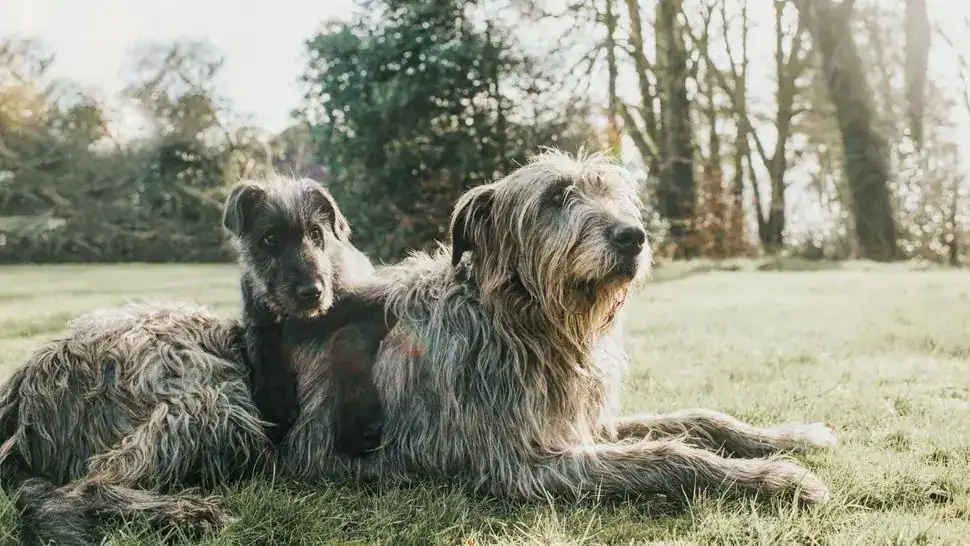
Grooming and Coat Care
Neither breed is an extreme grooming project compared with heavily coated giant breeds, but both have rough coats that still need regular attention. AKC says the Scottish Deerhound has a harsh coat and typically needs weekly brushing. Irish Wolfhounds also have a rough, wiry coat, and routine brushing helps keep the coat clean and workable.
The Deerhound is sometimes described as slightly easier-care overall because the coat is straightforward, though that depends on the individual dog and the owner’s standards. The Wolfhound’s size alone can make ordinary grooming tasks feel bigger simply because there is more dog to manage.
Health and Longevity Realities
Any honest comparison between these breeds should mention longevity and giant-breed health realities. PetMD says Scottish Deerhounds have a life expectancy around 8 to 11 years and notes breed-specific concerns. PetMD’s Irish Wolfhound page likewise emphasizes giant-breed care and the importance of early socialization and health planning. Giant breeds generally bring more logistical and medical weight than medium-sized dogs do, and that should be part of the decision.
That does not mean one breed is automatically the safer or easier health choice in every situation. It means buyers should go in expecting giant-breed costs, giant-breed feeding, giant-breed transport issues, and a more limited lifespan than many smaller dogs.
Scottish Deerhound vs Irish Wolfhound: Which Breed Might Suit You Better?
Choose a Scottish Deerhound if
You love the giant sighthound look, want a dog that is gentle and easygoing but perhaps a little more independent in feel, and are comfortable with a leaner, more athletic giant who still needs space and responsible management. Deerhounds are often a strong fit for people who appreciate a quieter, lighter-framed giant hound presence.
Choose an Irish Wolfhound if
You want the largest of the rough-coated giant sighthounds and are drawn to a calm, affectionate, family-close temperament. Wolfhounds often suit people who want a serene giant companion and are ready for the extra scale, food, space, and training responsibility that come with that size.
자주 묻는 질문
Which breed is bigger, the Scottish Deerhound or the Irish Wolfhound?
The Irish Wolfhound is generally bigger. PetMD says the Irish Wolfhound is usually an inch or two taller at the shoulder and weighs more than the Scottish Deerhound.
Are Scottish Deerhounds and Irish Wolfhounds similar in temperament?
Yes, in the sense that both are usually gentle giant sighthounds with calm, non-aggressive temperaments. The difference is that Wolfhounds are often described as more openly companion-oriented, while Deerhounds are often described as a little more independent in feel.
Which breed has more prey drive?
Both have enough prey drive to matter. Both are sighthounds and may chase small fast-moving animals, so secure fencing and management are important either way.
Which breed is easier to train?
Neither is usually difficult in a harsh or combative way, but both do best with patient, positive handling. Deerhounds are often described as more independent thinkers, while Wolfhounds need early manners because of their giant size.
Which breed is better for a family?
That depends on the family, but Irish Wolfhounds are more often described as especially patient and companion-oriented in family life. Scottish Deerhounds can also be excellent companions, particularly in calm homes that understand sighthound needs.
Do Scottish Deerhounds and Irish Wolfhounds need a lot of exercise?
They need regular daily exercise, space, and thoughtful management, though not usually the frantic workload of a high-drive working breed. Deerhounds in particular are often described as needing at least an hour or more of exercise daily.
Final Thoughts
The Scottish Deerhound and Irish Wolfhound are close enough in type that people often compare them, but different enough in size, feel, and daily presence that the choice matters. The Wolfhound is usually the bigger, broader, more massive giant companion. The Deerhound is usually the leaner, more lightly framed, quietly elegant giant hound. Both are gentle, both are sighthounds, and both ask for realistic expectations around prey drive, exercise, and giant-dog living.
For many people, the better breed is simply the one whose everyday feel matches the home. Some fall for the Wolfhound’s calm scale and affectionate gravity. Others prefer the Deerhound’s rangier outline and slightly more understated temperament. Either way, this is a choice between two remarkable giant hounds, not two interchangeable dogs.