
 KO
KO  EN
EN  FR
FR  DE
DE  ES
ES  PT
PT  NL
NL  SV
SV  JA
JA The Greater Swiss Mountain Dog is often described as a gentle giant, and there is truth in that. A well-bred Swissy is usually affectionate, people-oriented, and alert without being sharp or unstable. AKC describes the breed as faithful, dependable, and family devoted, while PetMD says the breed has a “happy” and “jovial” temperament with a strong affinity for people and children.
That said, the day-to-day reality is more specific than a few flattering adjectives. The breed club’s beginner guide says Swissies are strongly dependent on people, crave attention and physical contact, can be boisterous as youngsters, and need steady training to develop manners and physical self-control. Owner discussions echo that picture, especially around alert barking, slow maturity, and the need to teach boundaries early in a very large dog.
Quick Answer: What Is the Typical Greater Swiss Mountain Dog Temperament?
The typical Greater Swiss Mountain Dog is affectionate, confident, watchful, and strongly attached to family. Most are not meant to be suspicious or aggressive dogs, but they are natural watchdogs who notice changes around them and often bark to announce them. They are usually trainable and willing, but their size, strength, and slow maturity mean early manners matter a lot.
Greater Swiss Mountain Dog Behaviour at a Glance
| Trait | What It Often Looks Like | Why It Matters |
|---|---|---|
| Family attachment | Very people-focused, affectionate, wants to be involved | Usually does best as an included family dog, not a detached outdoor dog |
| Watchdog instinct | Alert, observant, quick to bark at changes | Owners should expect some alarm barking |
| Energy style | Bursts of activity followed by rest | They are not usually hyper, but still need daily engagement |
| Trainability | Trainable, but sometimes strong-willed | Consistency matters more than force |
| Maturity | Grows fast, matures slowly | A giant adolescent can be a lot to manage |
| Physicality | Large, strong, boisterous when young | Leash manners and self-control need early work |
| Prey or chase tendency | Some may chase small animals or running children | Training and supervision are important |
| Social tendencies | Often friendly with people and generally accepting of other dogs | Good early experiences still help |
This summary reflects AKC, PetMD, the Greater Swiss Mountain Dog Club of America guide, and owner reports describing Swissies as affectionate, barky when something seems off, often good with people, and physically powerful enough that manners cannot be left for later.
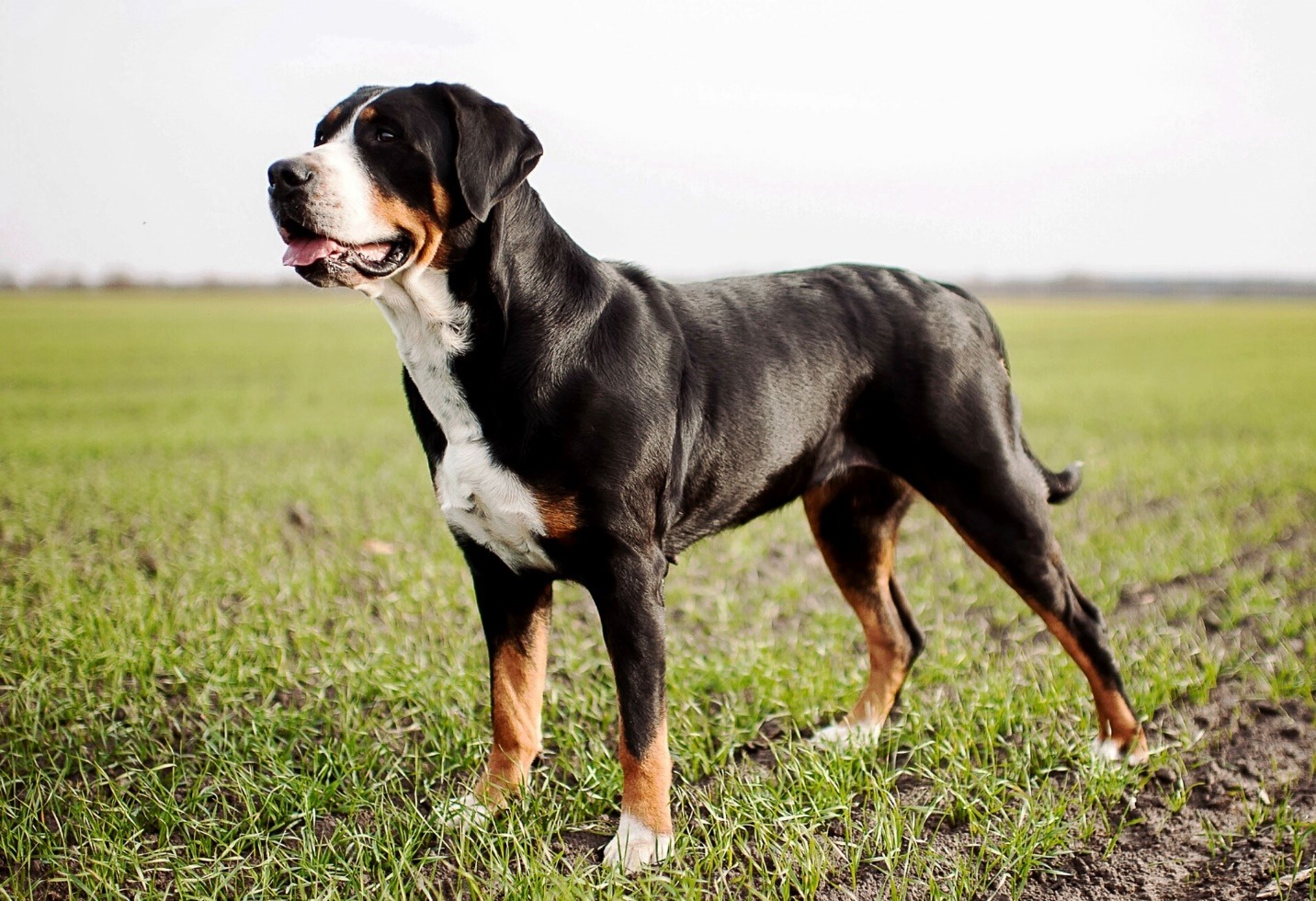
What Greater Swiss Mountain Dogs Are Like at Home
At home, Swissies are usually companion-oriented dogs who want to be near their people. The breed club says they crave attention and physical contact, and PetMD says they want to be involved in family activities whether that means hiking or lounging on the couch. In many homes, that translates to a dog that likes being close, follows the household routine, and prefers participation over independence.
But “good at home” does not always mean easy from the start. The breed club notes that youngsters can be boisterous and need reliable training for manners and physical self-control. That comes up often in Swissy-owner spaces too, where people talk about a dog that may be loving and stable but still physically intense, slow to mature, and strong enough to make ordinary bad habits a real problem.
Are Greater Swiss Mountain Dogs Good Family Dogs?
They often can be very good family dogs in the right home. PetMD describes them as gentle with children, and the breed club says they have a strong affinity to people and children. They are usually affectionate and deeply bonded to their families, which is a big part of their appeal.
The main thing families need to remember is size. Even a friendly Swissy can knock into children, crowd guests, or turn excited movement into chaos simply because they are so large and strong. The breed club also notes that strong herding drive can pair with prey drive and may lead to chase-and-tackle behaviour with small children if that impulse is not directed properly.
What tends to help in family homes
Swissies usually do best when families teach calm greetings early, supervise dog-child interactions, and take leash manners and self-control seriously. A large dog with a good heart still needs structure, especially during the long adolescent stage.
Watchdog Behaviour: Alert and Vocal, but Not a Guard Dog
This is one of the breed’s most consistent traits. The GSMDCA guide says Swissies notice everything in their surroundings and are quick to sound the alarm when something seems out of order. PetMD says they are always alert and bark if they think something is amiss. Owner comments often describe the barking as purposeful rather than random, especially when someone pulls up or something changes around the house.
At the same time, the breed club makes a clear distinction between watchdog behaviour and true guarding. Its guide says Swissies are not guard dogs and should be very bite-inhibited. In practical terms, that usually means they can look imposing and sound serious without being the right breed for someone specifically seeking a protection dog.
Training: Why Early Manners Matter So Much
Greater Swiss Mountain Dogs are usually trainable, but training is not optional with a dog this size. PetMD says Swissies should be trained consistently with positive reinforcement and notes that patience is important because they were historically bred to work independently and can have a strong will. The breed club adds that they respond very well to encouragement and positive training and must learn proper manners.
The leash issue comes up again and again because it matters so much. The GSMDCA guide points out that Swissies are capable of pulling enormous weight and therefore need early training to respect the leash and not pull. That advice is not theoretical. With a dog this strong, ordinary pulling, barging, or jumping can become a serious quality-of-life problem fast.
Why positive handling works best
Swissies tend to do best with calm, consistent instruction rather than harshness. They are usually willing workers when they understand the rules, but they are not the kind of breed that benefits from sloppy inconsistency or rough correction. Clear expectations and repetition tend to go much farther.
Socialization and Confidence
A well-bred Swissy should generally be confident in unfamiliar places and accepting of non-threatening strangers. The breed club says they should be comfortable around strange noises, unfamiliar people, and new environments, and should not need excessive socialization just to be stable. PetMD also says they are generally friendly with new people when well-socialized as puppies.
That does not mean socialization should be skipped. It means the goal is calm, confident exposure rather than turning the dog into an overexcited greeter. The best socialization for this breed usually supports composure, not chaos.
Exercise and Mental Stimulation
Swissies often have a moderate activity style rather than nonstop energy. The breed club describes their activity as coming in bursts, followed by napping, and PetMD says they are not hyper when well-exercised. That can make them seem easier than they really are, because lower frantic energy is not the same as having no exercise needs.
Many do well with daily walks, hikes, obedience work, drafting, and other purposeful activity. PetMD specifically lists drafting, hiking, agility, rucking, obedience, and neighborhood walks among suitable activities. The common thread is that Swissies usually do best when they get both movement and involvement.
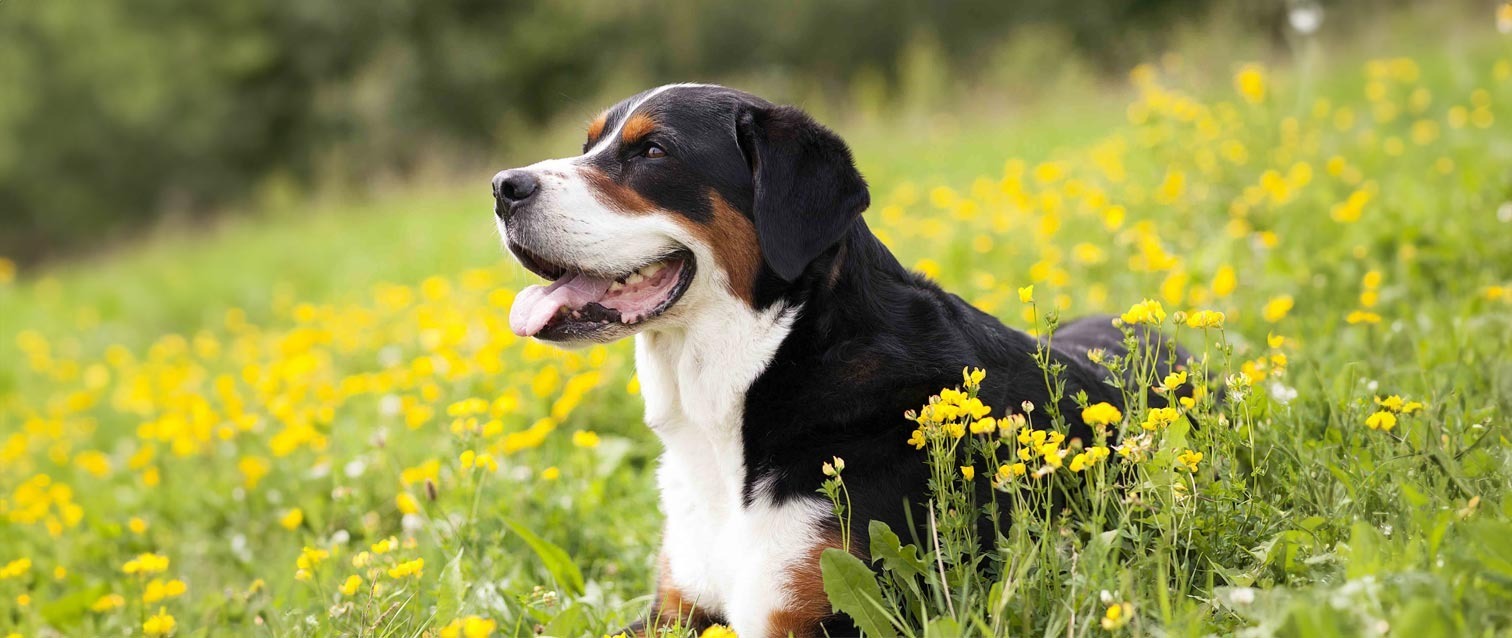
Common Behaviour Challenges Owners Should Expect
The most common friction points tend to be alert barking, leash pulling, slow maturity, boisterous physical behaviour, and chasing. The breed club says some Swissies have strong herding drive that can pair with prey drive, leading to chasing small animals such as cats, squirrels, and small dogs. It also warns that this same instinct can turn into chase-and-tackle games with children if not directed properly.
Boisterous youngsters
Young Swissies are often loving but big, enthusiastic, and not naturally graceful. That combination is part of why owners so often describe them as wonderful dogs who still require real training and patience through adolescence.
Slow maturity
The breed club says Swissies grow very quickly but mature very slowly. That is one of the most useful things a potential owner can know ahead of time, because it explains why a dog can look fully substantial before behaving like a settled adult. Owner and breeder commentary often flags slow maturity as one of the breed’s biggest surprises.
Purposeful barking
Owners often say Swissies are not nonstop barkers in the way some guardian breeds can be, but they are very tuned in to environmental changes. That means the barking many people notice is often alert-driven rather than random.
Puppy vs Adult Swissy Behaviour
| Life Stage | What Owners Commonly Notice | Best Focus |
|---|---|---|
| Puppy | Affectionate, curious, physically growing fast | Socialization, handling, leash basics, calm routines |
| Adolescent | Boisterous, strong, slow to mature, sometimes pushy | Self-control, polite greetings, loose-leash walking, boundaries |
| Adult | Steadier, more settled, family-focused, watchful | Routine exercise, continued manners, mental engagement |
This pattern reflects the breed club’s descriptions of boisterous young dogs and slow maturity, plus owner discussions about how much easier the breed becomes when structure and patience are in place over time.
Health and Behaviour Overlap More Than Many Owners Expect
Behaviour does not exist in isolation, especially in a giant breed. PetMD’s Greater Swiss Mountain Dog care page recommends feeding adults at least twice daily, avoiding one large meal, and not exercising directly before or after meals to help reduce the risk of bloat and GDV. General PetMD guidance on GDV describes it as life-threatening and says dogs showing classic signs such as a distended abdomen, non-productive retching, excessive salivation, and restlessness need immediate veterinary care.
That matters because discomfort or emerging medical problems can change how any dog behaves. A Swissy that suddenly seems restless, irritable, withdrawn, or physically reluctant may need a closer health look, not just more training pressure.
Is a Greater Swiss Mountain Dog the Right Fit for You?
A Swissy may be a great fit if you want a large, involved, affectionate dog with a strong family bond and a natural watchdog presence. They often suit owners who like calm confidence, can handle a powerful dog responsibly, and do not mind a breed that wants to be included in daily life.
A Swissy may be the wrong fit if you want a low-effort giant breed, dislike barking, or are not prepared to do early training with a very large and slow-maturing dog. They are usually rewarding companions, but they still come with real working-dog size, strength, and management demands.
자주 묻는 질문
Are Greater Swiss Mountain Dogs aggressive?
Usually no. A well-bred Swissy should be confident and good-natured rather than sharp or unstable. They are watchful and can look imposing, but the breed club says they are not guard dogs and should be strongly bite-inhibited.
Do Greater Swiss Mountain Dogs bark a lot?
They can be fairly vocal watchdogs. PetMD says they bark when they think something is wrong, and owner reports often describe the barking as alert-driven and tied to real environmental changes.
Are Greater Swiss Mountain Dogs good with children?
They often can be, especially in homes that supervise well and teach manners early. PetMD and the breed club both describe them as having a strong affinity for people and children, but their size means supervision still matters.
Are Greater Swiss Mountain Dogs hard to train?
They are generally trainable, but not effortless. They tend to respond well to positive training, yet can also be strong-willed and physically powerful enough that inconsistency creates problems quickly.
Do Greater Swiss Mountain Dogs get along with other pets?
Many do, and the breed club says they should generally be accepting of other dogs and species. Still, some can have enough herding or prey drive to chase small animals, so introductions and management matter.
Why do people say Swissies mature slowly?
Because they often do. The GSMDCA guide says they grow very quickly but mature very slowly, which means owners can end up with a dog that looks physically adult well before it behaves like one.
Final Thoughts
The Greater Swiss Mountain Dog is often at its best when people understand the full picture. This is usually a loving, alert, family-oriented breed with a steady core temperament, but also a real need for early manners, structure, and patient leadership. Their size does not make them hard-hearted, but it does raise the stakes on every behaviour they have.
For the right household, a Swissy can be a deeply rewarding companion: affectionate, watchful, funny, and solid. The key is going in with realistic expectations about barking, strength, maturity, and the amount of guidance a giant working breed still needs.