Quick Answer: What Do Pomeranians Need Most?
Pomeranians usually do best with a high-quality, portion-controlled diet and short, consistent bursts of daily exercise.
They do not usually need extreme workouts or oversized meals. What they need is balance. Too little movement can lead to weight gain and boredom. Too many treats or poor portion control can catch up with them quickly. On the other hand, smart play sessions, short walks, mental stimulation, and food that matches their age and health can help a Pom stay lively and comfortable.
If you want the simplest version, think of it this way: small dog, small meals, steady movement, and lots of attention to detail.
Why Diet and Exercise Matter So Much for Pomeranians
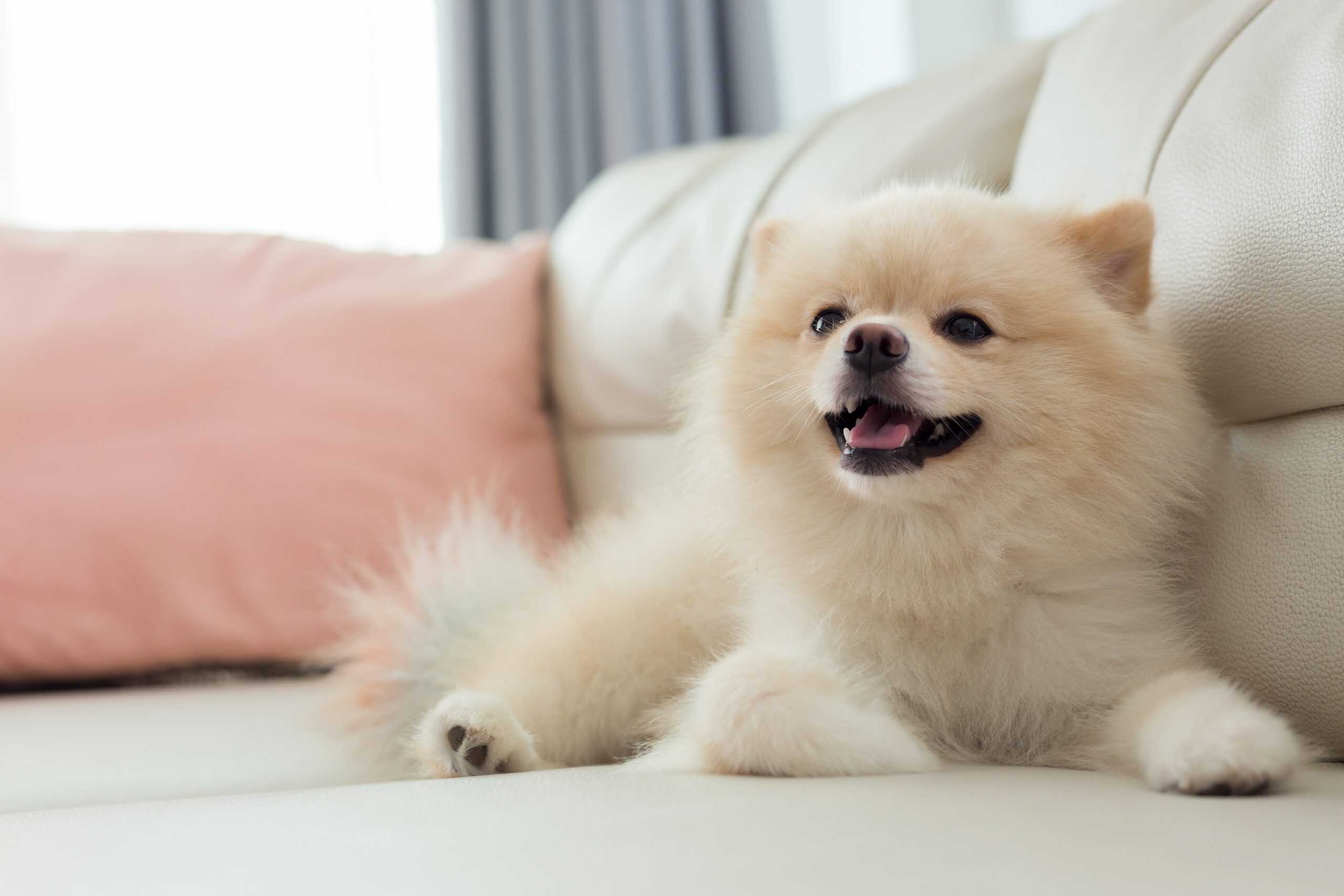
Because Pomeranians are so small, little changes can make a big difference. A few extra treats a day may not seem like much, but on a toy breed, that can add up faster than many owners expect. The same goes for inactivity. A Pom who stops moving enough may not only gain weight, but may also become restless, noisy, or harder to settle in the house.
Good nutrition supports healthy skin, coat quality, energy levels, digestion, and body condition. Good exercise supports muscle tone, heart health, confidence, and mental well-being. When both are working together, you often get a happier dog who is easier to live with.
That matters with Pomeranians because they are not just pretty companion dogs. Many are alert, clever, and opinionated. They often enjoy being involved in everything, which means their routine should give them an outlet for both body and brain.
What a Healthy Pomeranian Diet Usually Looks Like
The best food for a Pomeranian is not about flashy packaging or trendy ingredients. It is about quality, digestibility, and portion control.
Most healthy Pomeranians do well on a complete and balanced dog food that uses clearly identified protein sources and is appropriate for their life stage. A growing puppy has different needs than a sedentary senior. An active adult Pom may do well on a different calorie level than one who spends most of the day indoors.
In general, a strong diet for a Pomeranian should include:
- quality protein to support muscle maintenance
- healthy fats to support skin, coat, and energy
- digestible carbohydrates for usable energy
- vitamins and minerals from a complete, balanced formula
- a kibble size or texture your Pom can comfortably manage
Some Pomeranians do well on dry food, some on wet food, and some on a mixed feeding approach. There is no one perfect answer for every Pom. The better question is whether your dog is maintaining a healthy body condition, normal stools, good coat quality, and steady energy.
Because Pomeranians are so small, even tiny feeding mistakes can make a noticeable difference over time. Veterinary professionals and breed researchers often warn that treats and extras are where owners get into trouble fastest.
“One common clue a dog is being overfed is the loss of a visible waist. A healthy Pom should have a gentle ‘hourglass’ shape when viewed from above. You should also be able to feel the ribs easily under a light layer of tissue, like running your fingers over the back of your hand. If the body appears straight or slightly rounded, and ribs are hard to feel, it usually indicates excess body fat.”
— Dr. Kathryn Dench, MA VetMB MRCVS, Chief Scientific Advisor at Paw Origins
How Much Should a Pomeranian Eat?
This is where many owners get tripped up. Because Pomeranians are tiny, their calorie needs are often lower than people expect. That means “just a little extra” can still be too much.
That is an especially helpful reminder for Pomeranian owners, since rewards can stay effective without turning every good behaviour into extra calories.
“Because Pomeranians usually weigh only around 1.5–3 kg, even small extra portions can quickly add up. One of the clearest signs is when the waistline disappears and the ribs can no longer be felt easily under light pressure. Owners often underestimate calories from treats, which can easily exceed a large share of a toy breed’s daily calorie needs.”
— Martin Caesar, Hundeliebe
The right amount depends on your dog’s age, weight, activity level, metabolism, whether they are spayed or neutered, and whether they have any health issues. The feeding guide on the bag is a starting point, not a law. Some dogs need more. Some need less.
A practical way to judge whether you are in the right range is to look at the dog in front of you. Your Pomeranian should have a visible waist when viewed from above and a gentle tuck-up when viewed from the side. You should be able to feel the ribs without pressing hard, but they should not look bony or sharp.
If your Pom is getting rounder, less eager to move, or suddenly becoming very food-focused, it may be time to revisit portion sizes, treat intake, or both.
Meal Timing: Puppies, Adults, and Seniors
Pomeranian Puppies
Puppies usually need to eat more often than adults because they are growing quickly and have small stomachs. Several smaller meals spread through the day are often easier for them to handle than one or two large feedings.
Adult Pomeranians
Healthy adults often do well with two measured meals a day. This tends to be easier on digestion and can help avoid constant grazing.
Senior Pomeranians
Older Poms may need fewer calories if they are less active, but they still need good-quality nutrition. Seniors can also become fussier, slower to chew, or more sensitive to digestive changes, so food texture and consistency may matter more over time.
Treats: The Tiny Dog Trap
Treats are one of the fastest ways to accidentally overfeed a Pomeranian. The problem is not treats themselves. The problem is forgetting that a toy breed experiences calories differently than a larger dog.
A training reward that seems tiny to you may still be significant to your Pom if it happens ten or fifteen times a day. Table scraps can cause the same issue, especially when several family members are handing them out.
Good treat habits include:
- using very small training rewards
- breaking larger treats into smaller pieces
- counting treats as part of the daily food total
- avoiding constant “just because” snacking
- choosing treats your dog can chew safely
Treats are often where a good feeding plan quietly starts to slip. With a toy breed like the Pomeranian, the problem is often not the main meals, but the extras added throughout the day.
“Usually the problem isn’t the measured meals but the extras. A typical adult Pomeranian only needs 200–300 calories per day, so even small additions such as table scraps can quickly tip the balance. ‘Treat stacking’ is an issue: owners give a training treat, then another because the dog looks cute, then perhaps a chew later on. Each item seems tiny, but collectively they add up to an entire meal.”
— Dr. Kathryn Dench, MA VetMB MRCVS, Chief Scientific Advisor at Paw Origins
If your Pomeranian seems hungry all the time, that does not always mean they need more food. Sometimes it means they need more structure, more enrichment, or fewer calorie-dense extras.
Hydration Matters More Than People Think
Fresh water should always be available, especially after walks, play sessions, warm weather outings, or indoor heating during colder months. Pomeranians can be quite lively, and some get distracted easily, so it helps to keep water bowls easy to access in the rooms where they spend the most time.
If your Pom is suddenly drinking much more or much less than usual, that is worth paying attention to. Changes in thirst can sometimes signal a health issue and should not be brushed off.

How Much Exercise Does a Pomeranian Really Need?
Pomeranians are active little dogs, but they are not marathon partners. Most do well with moderate daily movement rather than long, punishing exercise sessions.
Pomeranians may act bold and energetic, but their size still matters when planning exercise. Small joints, delicate airways, and toy-breed proportions mean that “more exercise” is not always better exercise.
“When it comes to exercise, despite their energy, Poms are a toy breed with small joints and delicate airways. The wrong type of exercise can cause fatigue or physical strain. Clear warning signs include lagging behind on walks, excessive panting relative to the activity, reluctance to move or lying down. Coughing or wheezing are also red flags.”
— Dr. Kathryn Dench, MA VetMB MRCVS, Chief Scientific Advisor at Paw Origins
“Pomeranians are energetic but still physically small dogs. Long, high-impact activities like extended running on hard surfaces can put unnecessary stress on joints. Signs that exercise may be too intense include fatigue after short sessions, reluctance to move, or stiffness afterwards. Short walks, play sessions and mental stimulation usually suit the breed better.”
— Martin Caesar, Hundeliebe
For many adult Poms, that looks like a mix of short walks, indoor play, training games, and small bursts of activity throughout the day. Some are happy with a couple of brisk walks and some toy play. Others act like fluffy rockets and want more engagement.
The goal is not to wear your dog out completely. The goal is to keep them physically active, mentally occupied, and emotionally settled.
Good Exercise Options for Pomeranians
- short neighbourhood walks
- indoor fetch with soft toys
- hide-and-seek games
- short training sessions using cues and tricks
- puzzle toys and food enrichment
- gentle play with trusted dogs of similar size and style
Pomeranians often enjoy variety. One day they may want a walk and a sniff session. Another day they may be more interested in a toy game in the living room and a few minutes of training. That is perfectly fine. Consistency matters more than intensity.
When Exercise Needs to Be Adjusted
Not every Pomeranian should follow the same plan. Puppies need age-appropriate play and should not be pushed too hard. Seniors may still enjoy movement, but often in shorter, gentler sessions. Dogs with heart concerns, weight issues, joint pain, collapsing episodes, or dental discomfort may also need a modified routine.
Hot weather deserves special attention too. Pomeranians have a dense coat and can get uncomfortable quickly in heat and humidity. In warmer conditions, shorter outings during cooler parts of the day are usually the better choice.
If your Pom starts lagging behind, panting heavily, coughing, sitting down mid-walk, or refusing activity they normally enjoy, pause and check with your veterinarian before pushing ahead.
The Often-Missed Piece: Mental Exercise
A bored Pomeranian can become noisy, demanding, or mischievous in creative ways. That is why physical exercise is only part of the equation.
Mental activity can be just as helpful. Pomeranians are bright little dogs, and many enjoy learning tricks, solving food puzzles, or being given simple jobs around the house. Even a five-minute training session can help take the edge off a restless Pom.
If your dog seems physically fine but still cannot settle, the issue may not be a lack of walking. It may be a lack of engagement.
Common Diet and Exercise Mistakes With Pomeranians
- free-feeding without monitoring intake
- using too many treats during training
- assuming a tiny dog does not need daily exercise
- overdoing long walks when the dog is tired or uncomfortable
- failing to adjust food when activity levels change
- ignoring weight gain because the coat hides body shape
That last one catches a lot of people. A full Pomeranian coat can make a dog look normal even when they have started carrying too much weight. Hands-on body checks matter more than fluffy appearances.
Special Considerations: Weight, Teeth, and Sensitive Stomachs
Pomeranians can sometimes be prone to issues that affect how they eat and move comfortably. Dental crowding, picky eating, stomach sensitivity, and weight gain are all things owners may run into at some point.
If chewing seems difficult, your dog suddenly prefers softer food, or meals take much longer than usual, it is worth looking at dental comfort. If your Pom has frequent digestive upset, switching foods at random usually makes things harder, not easier. A more thoughtful plan with your veterinarian is the better route.
If weight has started creeping up, do not panic and slash food dramatically overnight. A calmer approach usually works better: measure meals carefully, trim unnecessary treats, increase low-impact activity, and track progress over time.
What a Balanced Day Can Look Like
Many Pomeranians do well with a rhythm like this:
- morning measured meal
- short walk or active play session
- rest time
- midday enrichment such as a puzzle toy or short training game
- evening walk or indoor play
- evening measured meal
- quiet family time and a brief potty outing before bed
That may not look dramatic, but that is the point. Pomeranians often thrive on routines that are steady, manageable, and repeatable.
When to Ask Your Vet for Help
Talk to your veterinarian if your Pomeranian shows any of the following:
- sudden weight gain or weight loss
- vomiting, diarrhoea, or ongoing digestive changes
- coughing or trouble recovering after activity
- a major drop in appetite
- trouble chewing or signs of mouth pain
- unusual fatigue or refusal to exercise
- itching, poor coat quality, or suspected food sensitivity
A good routine starts at home, but medical issues need individual guidance. There is no one-size-fits-all meal plan or exercise plan for a dog with underlying health concerns.
Laatste gedachten
Pomeranians may be small enough to scoop up with one arm, but caring for them well takes attention, consistency, and a bit of restraint when those bright little faces beg for another snack.
The healthiest routine is usually not the fanciest one. It is the one that fits your dog’s age, body condition, energy, and everyday life. Good food, measured portions, regular movement, mental stimulation, and timely veterinary advice go a long way.
If your Pom is maintaining a healthy weight, moving comfortably, eating well, and still finding time each day to be nosy, cheerful, and slightly dramatic, you are probably on the right track.
Veel Gestelde Vragen
Hoe vaak moet ik mijn Pommeren voeren?
Puppies usually need smaller, more frequent meals, while many healthy adult Pomeranians do well with two measured meals a day. Seniors may also do well with two meals, though food type and amount may need adjustment.
How much exercise does a Pomeranian need each day?
Most Pomeranians benefit from daily activity, but that usually means short walks, indoor play, and mental stimulation rather than long, exhausting workouts.
Are Pomeranians prone to weight gain?
They can be, especially if treats add up, portions are not measured, or their activity level drops. Their coat can also hide early weight gain, so body checks matter.
Is wet food or dry food better for a Pomeranian?
Either can work if the food is complete, balanced, and suits your dog’s needs. Some owners use one or the other, while others use a mixed approach.
What are the signs that I may be overfeeding my Pomeranian?
Common signs include a disappearing waist, difficulty feeling the ribs, lower stamina, and gradual weight gain over time.
Can Pomeranians exercise indoors?
Yes. Indoor play, training games, toy retrieval, and puzzle activities can all help, especially in bad weather or when outdoor time needs to be shorter.
What should I do if my Pomeranian has a sensitive stomach?
Avoid constant food changes and speak with your veterinarian. A more structured feeding approach is usually better than experimenting with random foods and treats.
Do older Pomeranians still need exercise?
Yes, but it is often gentler and shorter. Regular movement can still help mobility, weight control, and overall well-being in senior dogs.


 EN
EN  FR
FR  DE
DE  ES
ES  PT
PT  NL
NL  SV
SV  JA
JA  KO
KO