
 PT
PT  EN
EN  FR
FR  DE
DE  ES
ES  NL
NL  SV
SV  JA
JA  KO
KO Introdução
Cavalier King Charles Spaniels are known for their affectionate nature, intelligence, and eagerness to please. These traits make them highly trainable, but their sensitive personalities also mean they respond best to gentle, positive training methods. Whether you’re teaching basic commands, house training, or addressing common behavioral challenges, understanding their temperament is key to success.
Training your Cavalier isn’t just about obedience—it’s an opportunity to strengthen your bond and create a well-mannered companion. Since they thrive on human interaction, consistency and patience are essential. With the right approach, training sessions can be enjoyable for both you and your pup.
This guide will cover everything from house training and obedience to managing common issues like barking and separation anxiety. You’ll also learn fun tricks and ways to keep training engaging throughout your dog’s life. Whether you’re a first-time Cavalier owner or looking for new training strategies, this article will help set you and your pup up for success.
Understanding Your Cavalier’s Temperament
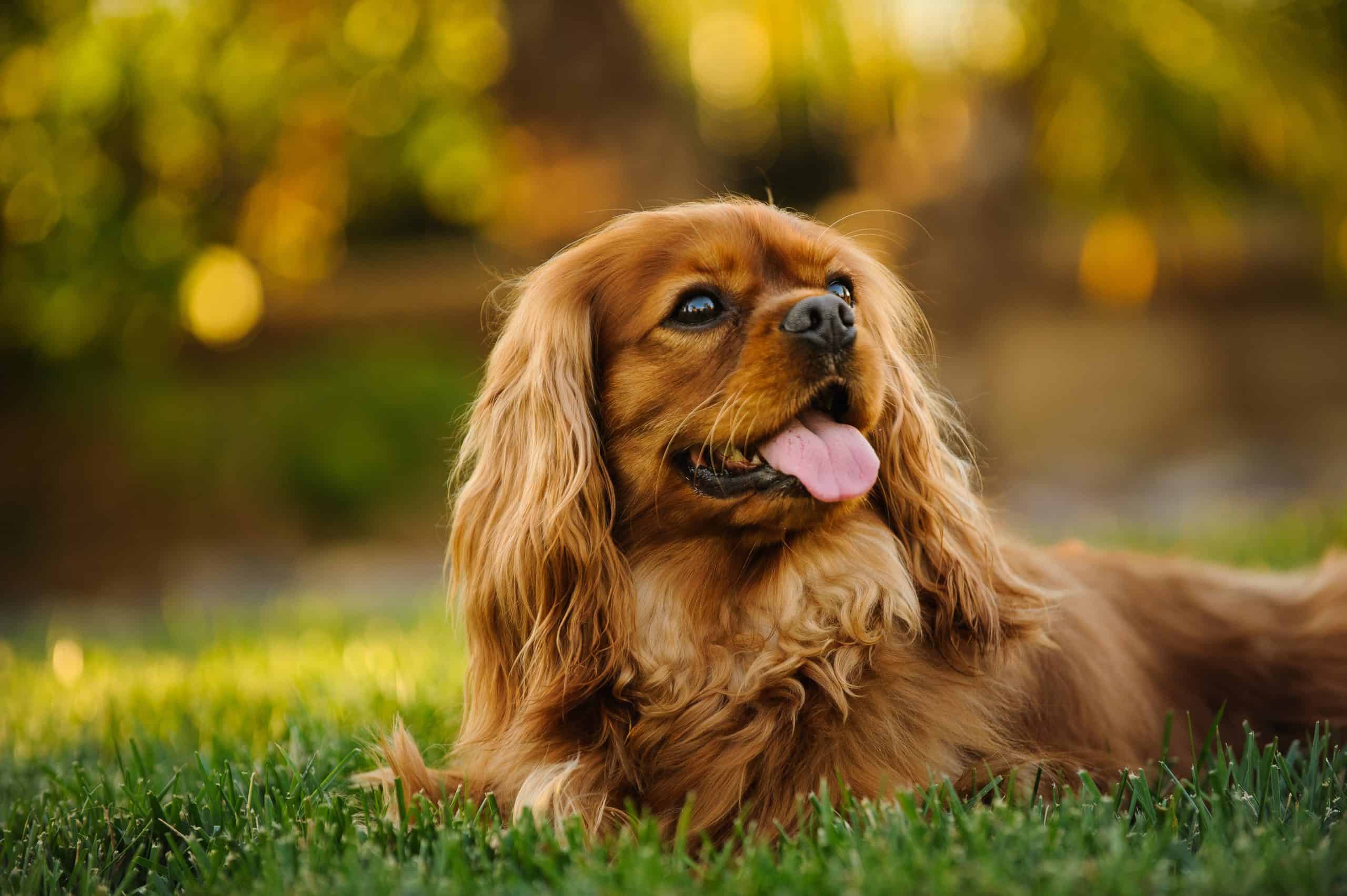
Cavalier King Charles Spaniels are affectionate, social, and eager to please, making them wonderful companions. Their intelligence makes them quick learners, but their sensitivity means they don’t respond well to harsh training methods. Instead, they thrive on positive reinforcement—praise, treats, and encouragement go a long way.
Because Cavaliers were bred as companion dogs, they crave human interaction and form strong bonds with their owners. This attachment can sometimes lead to separation anxiety if they’re left alone for long periods. Training them to be comfortable on their own from an early age can help prevent issues later on.
Despite their generally easygoing nature, some Cavaliers have a stubborn streak. If they sense inconsistency in commands or routines, they may test boundaries. Staying patient and keeping training sessions short and engaging can help maintain their focus.
Their friendly personality also means they love meeting new people and dogs. Socialization is an important part of their training, as it helps prevent shyness or excessive excitement around strangers. Introducing them to different environments, sounds, and situations while they’re young will build their confidence and help them grow into well-rounded pets.
Basic Training Foundations
Training a Cavalier King Charles Spaniel starts with a strong foundation built on consistency, positive reinforcement, and patience. Since these dogs are eager to please, they respond well to encouragement and rewards. Here’s how to get started:
Comece cedo
The earlier you begin training, the easier it will be to establish good habits. Puppies have a natural curiosity and willingness to learn, so introducing basic commands and house training as soon as they arrive home sets the stage for success. However, older Cavaliers can also be trained with the right approach—just expect a bit more patience.
Use reforço positivo
Cavaliers are sensitive and may shut down if exposed to harsh discipline. Instead of scolding, reward good behavior with treats, praise, and play. For example, when teaching “sit,” say the command, guide them into position, and immediately reward them. Over time, they’ll associate the action with positive outcomes.
Be Consistent
Dogs learn through repetition. Use the same words and gestures for each command, and ensure everyone in the household follows the same rules. If one person allows jumping while another discourages it, your Cavalier may get confused.
Keep Training Sessions Short & Fun
Cavaliers have good attention spans, but short training bursts (5–10 minutes) are more effective than long sessions. Keep it lighthearted and engaging to maintain their enthusiasm.
House Training and Crate Training
House training is one of the first and most important lessons for a Cavalier King Charles Spaniel. Since they are intelligent and eager to please, they can learn quickly with consistency and patience.
Potty Training Tips
-
Estabeleça uma rotina – Take your Cavalier outside first thing in the morning, after meals, after naps, and before bedtime.
-
Use a Designated Spot – Bringing them to the same outdoor area each time helps them associate the location with going potty.
-
Reward Immediately – Praise and treats right after they go outside reinforce good behavior. Avoid waiting until they come back inside.
-
Watch for Signals – Sniffing, circling, or whining can indicate they need to go. Responding quickly prevents accidents.
-
Clean Accidents Thoroughly – Use an enzyme-based cleaner to remove odors and discourage repeat accidents.
Treinamento de caixa
Crates provide a safe, comfortable space for your dog and help with house training. Cavaliers generally respond well to crate training when introduced properly.
-
Choose a crate that’s big enough for them to stand, turn around, and lie down comfortably.
-
Make it inviting by adding a soft blanket and favorite toy.
-
Start with short periods inside the crate and gradually increase the time.
-
Never use the crate as punishment—it should be a positive space.
Ensinando Comandos Básicos
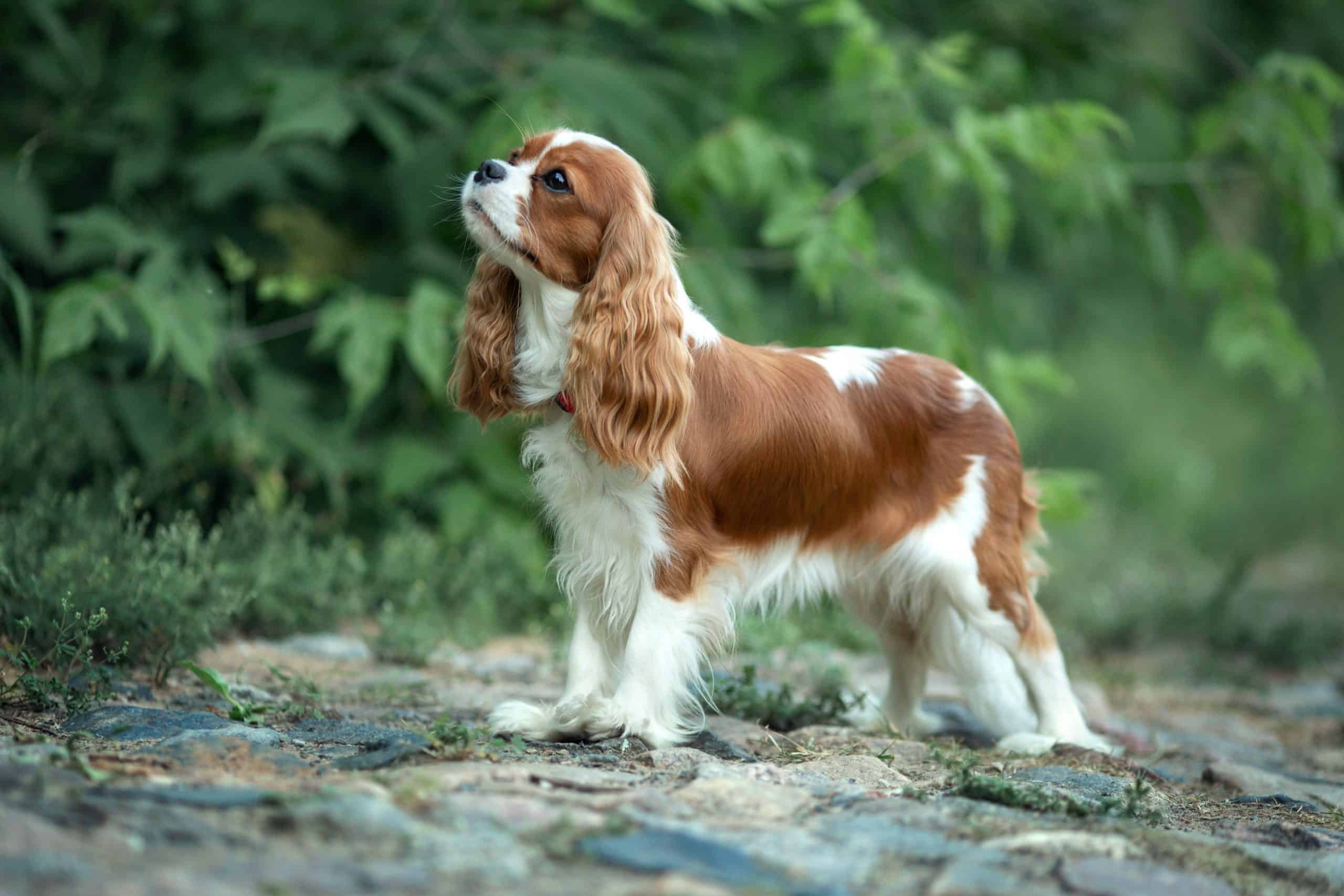
Training your Cavalier King Charles Spaniel to follow basic commands not only improves behavior but also strengthens your bond. Since Cavaliers are intelligent and eager to please, they respond well to positive reinforcement techniques. Here are some essential commands to teach:
Sentar
-
Hold a treat close to your dog’s nose.
-
Move your hand upward, encouraging their head to follow while their bottom lowers.
-
Once they sit, say “Sit,” give the treat, and offer praise.
-
Repeat several times a day in short sessions.
Ficar
-
Ask your Cavalier to sit.
-
Hold your palm out and say “Stay.”
-
Take a small step back, then return and reward them if they remain in place.
-
Gradually increase distance and duration over time.
Vir
-
Kneel and say “Come” in a happy tone while opening your arms.
-
Reward them with praise and a treat when they reach you.
-
Practice in a secure area before trying in larger spaces.
Treinamento com trela
-
Start indoors by letting them wear the leash for short periods.
-
Encourage them to walk beside you with treats and praise.
-
If they pull, stop walking and wait until they return to your side before continuing.
Socialization and Obedience Training
Cavalier King Charles Spaniels are naturally friendly, but proper socialization ensures they grow into confident, well-adjusted dogs. Early exposure to new experiences helps prevent fearfulness and overexcitement in unfamiliar situations.
Socialization Tips
-
Introduce New People and Dogs – Cavaliers love meeting new friends, but it’s important to expose them to a variety of people, including children and strangers. Arrange playdates with well-behaved dogs to encourage good manners.
-
Expose Them to Different Environments – Take them on walks in parks, busy streets, and pet-friendly stores. This helps them adjust to different sights, sounds, and surfaces.
-
Encourage Positive Experiences – Reward calm behavior with treats and praise. If they show nervousness, avoid forcing interactions and instead reassure them with a calm, confident demeanor.
Obedience Training Benefits
While Cavaliers are naturally well-mannered, obedience training refines their behavior and helps prevent bad habits. Enrolling in a basic obedience class can be beneficial, as it provides structure, socialization, and guidance from a professional trainer.
Training in different environments (indoors, outdoors, around distractions) reinforces their ability to follow commands in any situation. Practicing obedience regularly keeps your Cavalier engaged and mentally stimulated.
Dealing with Common Training Challenges
Even with their friendly and eager-to-please nature, Cavaliers can develop some behavioral challenges if not properly trained. Addressing these issues early ensures a well-behaved companion.
Ansiedade de separação
Cavaliers form strong bonds with their owners and can become anxious when left alone. To ease separation anxiety:
-
Start with short absences and gradually increase the time apart.
-
Provide puzzle toys or treat-dispensing toys to keep them occupied.
-
Avoid dramatic departures and arrivals to reduce stress.
-
Consider crate training as a safe and secure retreat.
Teimosia
While they are generally cooperative, Cavaliers can occasionally be stubborn. If they resist commands:
-
Ensure training is consistent and rewarding.
-
Use high-value treats (like small bits of chicken or cheese) to maintain motivation.
-
Keep training sessions short and engaging to prevent boredom.
Jumping on People
Cavaliers love greeting people enthusiastically, which can lead to jumping. To prevent this:
-
Ignore jumping behavior and only give attention when all four paws are on the ground.
-
Teach the “sit” command as an alternative greeting.
-
Reward calm behavior with treats and praise.
Advanced Training and Fun Tricks
Once your Cavalier King Charles Spaniel has mastered basic commands, advanced training and fun tricks can keep them mentally stimulated and engaged. Cavaliers enjoy learning new things, and trick training strengthens your bond while providing enrichment.
Fun Tricks to Teach
-
Fetch – Cavaliers love to chase and retrieve toys. Start by tossing a small toy a short distance and encouraging them to bring it back with praise and a treat.
-
Spin – Hold a treat near their nose and guide them in a circular motion. Once they complete the turn, say “Spin” and reward them.
-
High-Five – Have them sit, then hold a treat in your closed hand. When they lift a paw to reach for it, say “High-five” and reward them.
-
Roll Over – Get them into a lying-down position, then guide them with a treat in a rolling motion. Reward when they complete the action.
Engaging Activities
Cavaliers excel in activities like agility, rally obedience, and scent games. Interactive toys and puzzle feeders challenge their minds and prevent boredom. Training should always be fun, so keep sessions upbeat and rewarding.
Maintaining Training Long-Term
Training doesn’t stop once your Cavalier King Charles Spaniel has learned the basics. Consistently reinforcing commands and introducing new challenges helps maintain good behavior and keeps them mentally engaged.
Reinforce Training Daily
-
Use basic commands throughout the day to reinforce good manners.
-
Ask them to “sit” before meals, “stay” before going outside, or “come” during playtime.
-
Randomly reward good behavior with praise or treats to keep them motivated.
Prevent Regression
If training isn’t reinforced, Cavaliers may revert to bad habits. To prevent this:
-
Continue practicing commands in different environments.
-
Stay consistent with house rules (e.g., no jumping on furniture if that was an early rule).
-
If a behavior issue resurfaces, go back to basics and reinforce training with patience.
Keep Training Fun
Boredom can lead to mischief, so keep your Cavalier mentally stimulated with:
-
New tricks and commands to challenge them.
-
Interactive games like hide-and-seek or puzzle feeders.
-
Training sessions that are short, engaging, and rewarding.
perguntas frequentes
How long does it take to train a Cavalier King Charles Spaniel?
Most Cavaliers pick up basic commands within a few weeks if trained consistently. House training may take a few months, depending on routine and reinforcement. Regular practice helps reinforce good behavior over time.
Are Cavaliers easy to train?
Yes, Cavaliers are intelligent and eager to please, making them generally easy to train. They respond best to positive reinforcement methods like treats, praise, and consistency. However, they can be sensitive, so harsh corrections should be avoided.
How do I stop my Cavalier from barking too much?
Identify what triggers their barking (excitement, boredom, or alerting) and address it with training. Teaching a “quiet” command and redirecting their attention with toys or treats can help. Ensuring they get enough exercise and mental stimulation also reduces excessive barking.
Can Cavaliers be left alone at home?
Cavaliers don’t like being alone for long periods and can develop separation anxiety. If they need to be left alone, start with short periods, provide interactive toys, and create a comfortable, familiar space for them. Gradually increasing alone time can help them adjust.
What’s the best way to train a Cavalier to walk nicely on a leash?
Use a well-fitted harness and keep training sessions positive. If they pull, stop walking and wait until they return to your side before continuing. Reward calm walking behavior with treats and praise. Short, consistent training sessions help them develop good leash manners.