
 PT
PT  EN
EN  FR
FR  DE
DE  ES
ES  NL
NL  SV
SV  JA
JA  KO
KO Irish Wolfhounds are often described as rugged rather than polished, and that is part of their charm. Their rough coat is not as high-maintenance as a Poodle coat or as heavy as a double-coated giant breed, but it still needs regular care. AKC says a thorough brushing about once a week helps remove dirt and loose hair and keep the breed looking its best. PetMD says the coat usually does not mat or knot easily, but weekly brushing is still recommended, along with periodic hand-stripping to remove dead hair.
That said, “not difficult” does not mean “ignore it.” Wolfhound irlandês owners often point out that beard care, dead coat removal, nails, and general giant-dog upkeep matter more than people expect. In owner discussions, people commonly describe a routine built around brushing, combing, occasional stripping, and light sanitary cleanup rather than full salon-style grooming.
Quick Answer: How Much Grooming Does an Irish Wolfhound Need?
Most Irish Wolfhounds do well with weekly brushing, regular nail and ear care, occasional baths, and hand-stripping a few times a year or as needed to remove dead coat. Their rough coat does not usually mat badly like a dense curly or cottony coat, but it still gets scruffy, sheds loose hair, and benefits from regular maintenance. AKC recommends weekly brushing, while PetMD says hand-stripping about every six months helps remove dead hair and maintain coat texture.
Irish Wolfhound Grooming at a Glance
| Grooming Area | What Most Irish Wolfhounds Need | Why It Matters |
|---|---|---|
| Escovação | Usually about once a week | Removes loose hair, dirt, and debris |
| Hand-stripping | Occasionally, often a few times a year | Removes dead coat and helps keep texture tidy |
| Tomando banho | Occasional baths as needed | Keeps the coat and skin clean without overdoing it |
| Beard and face care | Regular wiping or washing | Food and water collect around the beard easily |
| Ears | Weekly checks and cleaning when needed | Helps catch wax, debris, and irritation early |
| Nails | Trim or grind regularly | Long nails can affect comfort and movement |
| Teeth | Routine brushing is ideal | Supports long-term dental health |
This overall schedule matches AKC, PetMD, Hills, and breed-club grooming material, all of which treat the Irish Wolfhound as a breed needing regular maintenance but not extreme cosmetic work.
Understanding the Irish Wolfhound Coat
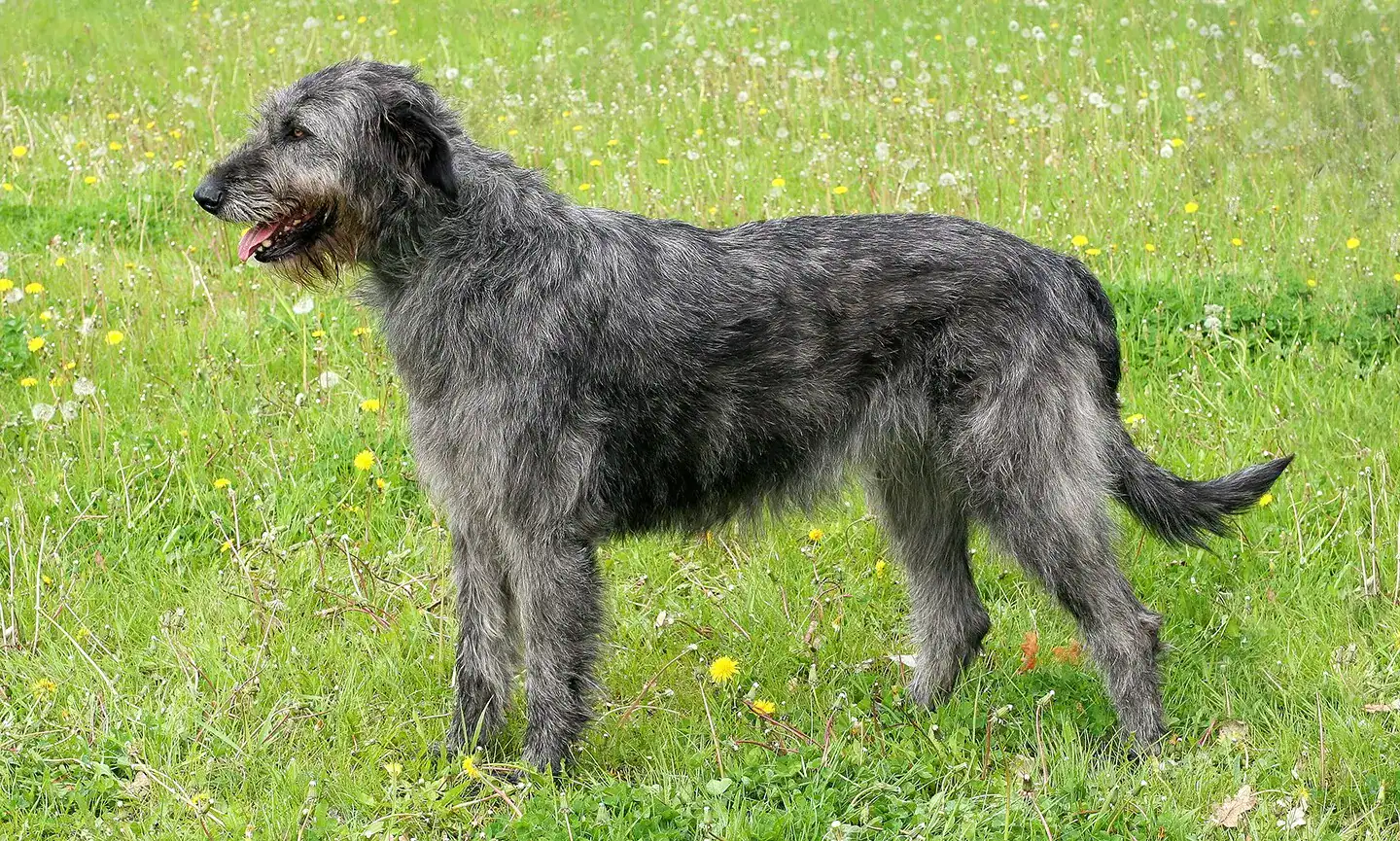
The Irish Wolfhound coat is rough and hard on the body, legs, and head, with longer hair often appearing around the eyes and under the jaw. AKC describes the coat as rough and hard on body, legs, and head, especially wiry over the eyes and under the jaw. Hills similarly notes that the beard gets dirty from food and drips water after drinking, which is a very real part of day-to-day grooming in the breed.
That coat texture is one reason grooming is more about upkeep than styling. For most companion Wolfhounds, the job is to keep the coat clean, remove dead hair, maintain a natural outline, and prevent the dog from looking overgrown or neglected. The Irish Wolfhound Club of America’s grooming resources include separate material on basic grooming, coat types, and stripping, which underscores that coat texture and dead hair management matter in this breed.
How Often Should You Brush an Irish Wolfhound?
Weekly brushing is the most common baseline recommendation. AKC says a thorough brushing once a week or so is enough for many Wolfhounds, and PetMD also recommends weekly brushing to remove loose hair and reduce shedding. Hills suggests combing a couple of times a week, which shows there is some room to adjust based on coat condition and owner standards.
In real life, some owners do a quick weekly brush and a more thorough session when the coat starts looking blown or untidy. Others do light brushing plus occasional stripping. In a recent Reddit thread, owners described routines built mostly around brushing and combing, with some adding light sanitary trimming or coat stripping but not much more than that.
When to brush more often
You may need to brush more often if your Wolfhound is picking up dirt, burrs, or outdoor debris, or if the beard and leg furnishings are getting messy. Weekly is a good baseline, but rough-coated giants that spend a lot of time outside can still benefit from more regular touch-up grooming. That fits with AKC and PetMD guidance, which presents weekly brushing as a starting point rather than a hard ceiling.
Does an Irish Wolfhound Need Hand-Stripping?
Often, yes, at least occasionally. PetMD says the Irish Wolfhound should be hand-stripped about every six months, either by hand-plucking or with a stripping rake, to remove dead hair. Hills also says dead hair should be stripped out twice a year or the coat will begin to look shaggy and unkempt. The Irish Wolfhound Club of America goes even further by maintaining dedicated grooming resources specifically on stripping the coat.
For a pet home, that does not always mean a full show-style hand-strip. In owner discussions, some people say they mainly brush and comb, while others add occasional stripping and avoid clipping except for limited hygiene work. The practical takeaway is that dead coat removal helps keep the correct rough texture and neater outline, while routine clipping alone can soften texture over time.
Hand-stripping vs clipping
| Method | Main Benefit | Main Trade-Off |
|---|---|---|
| Hand-stripping | Removes dead coat and helps preserve the rough texture | Takes more time and may require skill or a knowledgeable groomer |
| Clipping only | Quicker and easier for some pet owners | Can soften coat texture and change the rough natural look |
This is one of the more consistent themes in Irish Wolfhound grooming advice. Breed-club and PetMD guidance clearly support stripping as part of proper coat maintenance, while owner discussions often frame clipping as more of a convenience choice than the ideal way to maintain a harsh coat.
Do Irish Wolfhounds Mat Easily?
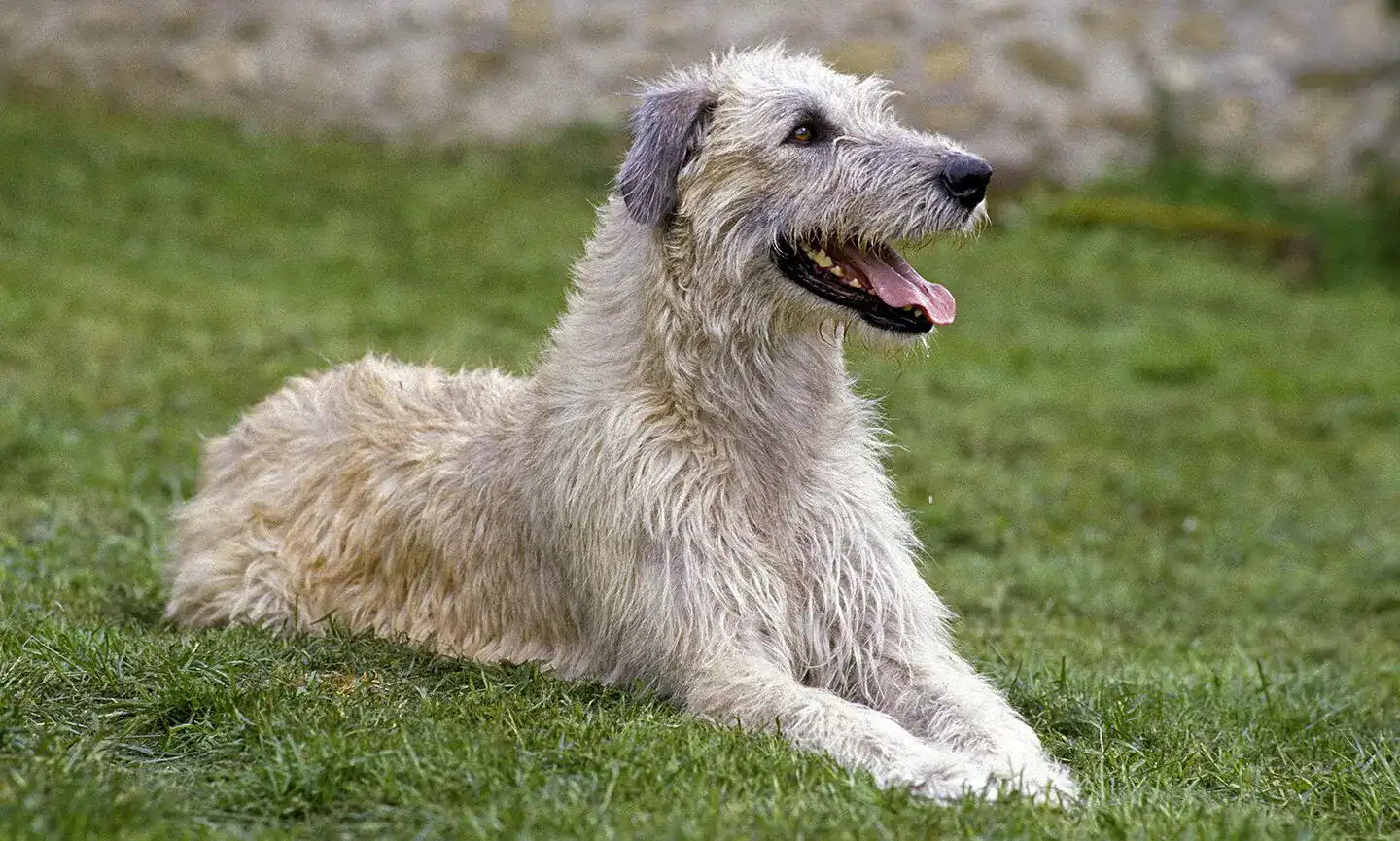
Usually not badly, especially compared with curly or dense undercoated breeds. PetMD says the coat does not typically form mats or knots easily, and Hills says grooming is not difficult overall. That said, “not very mat-prone” is not the same as “never tangles.” Beard hair, ear edges, and any longer scruffy areas can still collect debris or start to look ragged if maintenance slips.
Owner experience tends to support that. The conversations are usually less about severe matting and more about dead coat, beard mess, and keeping the dog from looking blown-out or overly shaggy.
Bathing an Irish Wolfhound
Irish Wolfhounds generally do not need frequent baths. PetMD recommends bathing every one to three months as needed for odor and appearance, using a dog shampoo suited to a wiry coat. That range makes sense for a giant rough-coated dog that is not meant to be fluffy or constantly pristine.
For many owners, the bigger issue is not full-body bathing but spot cleaning. The beard can become dirty from food and drinking, and both Hills and owner discussions mention this as a regular part of living with the breed. A clean face and beard often matter more to the day-to-day look of the dog than a perfectly fresh full coat.
Beard care matters more than many people expect
The Irish Wolfhound beard catches food and holds water, so regular wiping or rinsing helps prevent odor and grime. Hills explicitly notes that the beard becomes dirty from food and drips water after drinking. That small detail is one of the most practical grooming realities owners run into.
Nails, Ears, and Teeth
Coat care gets the most attention, but the rest of the grooming routine matters too. The Farmer’s Dog breed guide says to trim nails regularly, check ears weekly and clean as needed, and brush teeth daily when possible. Petful similarly notes that ears should be checked regularly for wax and debris buildup and that nails need trimming every few weeks because they can split or crack if neglected.
Ears
Check the ears weekly for odor, redness, excess wax, or debris. Even though Irish Wolfhounds are not one of the most ear-troubled breeds, regular checks still help catch small problems before they become uncomfortable.
Nails
Nails should be kept short enough that they do not affect stance or movement. Because Wolfhounds are so large, overgrown nails can be especially uncomfortable and mechanically awkward. Petful specifically notes that the nails are prone to splitting and cracking if not maintained.
Teeth
Daily tooth brushing is ideal, and routine dental care should be part of the grooming picture even though it is easy to overlook in a coat-focused breed. The Farmer’s Dog guide includes daily tooth brushing as part of regular care.
What Tools Work Best for an Irish Wolfhound?
The most commonly recommended basics are a brush for general coat maintenance, a comb for detail work, and stripping tools when dead coat needs to come out. PetMD mentions hand-plucking or using a stripping rake for dead hair. An older but detailed Wolfhound grooming guide also recommends brushing thoroughly with a sturdy slicker and then following with a steel comb, especially under the neck, on the eyebrows, and in the beard.
Owner discussions line up with that fairly well. Most people are not describing elaborate toolkits. They are usually talking about brushing, combing, some stripping, and the occasional groomer visit if they do not want to manage every step themselves.
Puppy Grooming Habits Matter
One of the best things a Wolfhound owner can do is make grooming normal early. A giant adult who dislikes nail trimming, brushing, or beard handling is much harder to manage than a puppy who learned that those things are routine. While most Irish Wolfhound grooming guidance focuses on the adult coat, the logic of giant-breed handling applies just as strongly here: cooperation should be built early. That is a natural extension of the breed-club’s basic grooming resources and general giant-dog handling realities.
What a Realistic Irish Wolfhound Grooming Routine Often Looks Like
For many homes, a realistic routine looks like weekly brushing, quick beard cleanup as needed, regular ear checks, nail care every few weeks, and occasional stripping or grooming help when the coat starts looking blown or scruffy. That matches AKC, PetMD, and owner experience surprisingly well.
The key is consistency rather than intensity. Irish Wolfhound grooming is usually less about creating a fancy finish and more about keeping a rough-coated giant comfortable, tidy, and easy to live with.
perguntas frequentes
How often should an Irish Wolfhound be brushed?
About once a week is the most common baseline recommendation. AKC and PetMD both recommend weekly brushing, though some owners brush more often depending on coat condition and lifestyle.
Do Irish Wolfhounds need professional grooming?
Not always in the way a high-maintenance coated breed does, but some owners use a groomer for stripping, sanitary trimming, or general upkeep. The breed-club and PetMD guidance both support periodic coat maintenance beyond simple brushing.
Do Irish Wolfhounds need hand-stripping?
Usually at least occasionally. PetMD recommends hand-stripping about every six months, and Hills also says dead hair should be stripped out twice a year.
Do Irish Wolfhounds mat easily?
Usually not compared with many other coat types. PetMD says their coat does not often form mats or knots easily, though regular grooming still helps keep the coat clean and tidy.
How often should an Irish Wolfhound be bathed?
As needed rather than constantly. PetMD suggests every one to three months for odor and appearance, depending on the individual dog.
What part of grooming surprises owners most?
Often the beard. Hills specifically notes that it gets dirty from food and drips water after drinking, which makes face cleanup a much bigger part of daily grooming than many people expect.
Pensamentos finais
Irish Wolfhound grooming is more manageable than many people assume, but it still needs to happen regularly. Weekly brushing, dead coat removal, beard care, nails, and ear checks usually do more for the dog than chasing a polished look ever could.
For most owners, the best routine is the one that keeps the coat natural, the dog comfortable, and the giant scruffy hound from slowly turning into an even bigger scruffier hound than intended.