
 EN
EN  FR
FR  DE
DE  ES
ES  PT
PT  NL
NL  SV
SV  JA
JA  KO
KO The Maltese may be small, but their daily care has a big effect on how they feel, behave, and age. Because this is a toy breed, feeding mistakes and exercise gaps can show up faster than many owners expect. A few extra treats, inconsistent meal portions, or too little activity can make a noticeable difference in weight, digestion, and energy. The Maltese is generally playful, charming, and adaptable, but that does not mean their routine should be an afterthought.
A healthy Maltese routine is usually simple rather than extreme. Most do well with high-quality, portion-controlled food, regular short bursts of activity, and enough mental stimulation to prevent boredom. Breed-specific owner discussions echo the same point in everyday language: many Maltese enjoy walks, puzzles, snuffle mats, and interactive play more than people assume from looking at such a tiny dog.
Quick Answer: What Do Maltese Need Most From Diet and Exercise?
Most Maltese do best with a nutrient-dense small-breed diet, carefully measured portions, and daily activity split into manageable sessions. Puppies usually need more frequent meals than adults, especially because very small puppies can be vulnerable to low blood sugar. Adults often thrive with measured meals, short walks, indoor play, and mental enrichment that keeps them engaged without overdoing physical strain.
Maltese Diet and Exercise at a Glance
| Area | What Many Maltese Need | Why It Matters |
|---|---|---|
| Meal quality | High-quality small-breed food with strong overall nutrition | Toy breeds need good nutrition in very small portions |
| Meal schedule | Frequent meals for puppies, measured meals for adults | Helps support energy balance and avoids accidental overfeeding |
| Portion control | Small servings, measured carefully | Even minor overfeeding can matter in a tiny dog |
| Exercise style | Short walks, indoor play, light structured activity | Supports weight, mobility, and mood without overexertion |
| Mental stimulation | Puzzle toys, sniffing games, short training sessions | Helps reduce boredom and restless behaviour |
| Puppy caution | Frequent feeding and age-appropriate exercise | Very small puppies may be prone to hypoglycemia |
| Treat control | Limited treats counted within total daily intake | Extra calories add up quickly in a toy breed |
This overview lines up with AKC, PetMD, VCA, and Maltese-specific care guidance that all point toward moderation, consistency, and close attention to calories and routine. Owner posts add useful real-life context by showing that many Maltese are energetic, clever, and responsive to enrichment, not just lap dogs who need very little from the day.

Why Diet Matters So Much for a Maltese
A Maltese does not eat much, which makes food quality more important, not less. In a large dog, a few nutritional missteps may be diluted by size. In a toy breed, poor-quality ingredients, oversized portions, or constant extras can affect weight and digestion much faster. VCA notes that Maltese generally stay in good weight when fed properly, but also points out that it does not take much food or many snacks to overshoot their needs.
Good feeding is not about chasing a trendy formula. It is about giving a small dog enough protein, fat, vitamins, and minerals in portions that fit their size and activity level. Breed-focused Maltese guidance also stresses practical details owners often miss, such as choosing food that is easy for a small mouth to manage, avoiding stale kibble, and keeping the meal routine consistent enough that picky habits do not take over.
What to look for in a Maltese diet
Many owners do well choosing a quality small-breed formula with an appropriate kibble size, solid overall ingredient quality, and enough nutrient density to support a toy breed without relying on oversized servings. Pet-focused Maltese blogs also commonly recommend paying close attention to fillers and to how the food performs for the individual dog, especially if the Maltese is picky or has a sensitive stomach.
How Much Should a Maltese Eat?
There is no single perfect serving size that fits every Maltese. Age, body condition, metabolism, activity level, and the calorie density of the food all matter. That is why package directions are only a starting point. Maltese-specific feeding guidance notes that listed amounts are often daily totals rather than per-meal amounts, which is an easy detail to misunderstand if you are moving quickly or feeding more than one person in the household.
For many adult Maltese, the daily amount is modest, which is exactly why guessing can backfire. A little too much every day is still too much. AKC’s weight-management guidance reinforces the broader point that staying at the right weight matters to overall health, and small dogs can drift upward faster than owners realize.
Why portion control matters more than people think
Fluffy coats can hide weight gain. Owner discussions about Maltese weights often show people trying to figure out whether a dog is naturally larger-framed or simply heavier than ideal. Those conversations are useful because they reflect a real challenge: in a small, coated breed, changes in body condition can be easy to miss until the dog feels less athletic or the numbers creep up more than expected.
Maltese Puppies Have Different Feeding Needs
Maltese puppies should not be fed like tiny adults. VCA specifically notes that Maltese puppies should be fed often to help prevent hypoglycemia, which can be a serious issue in very small puppies. Frequent small meals with a steady routine are often safer and more practical than long gaps between feedings.
Maltese-specific feeding guides add more day-to-day detail, suggesting multiple meals per day through puppyhood and gradual transitions as the dog grows. The exact schedule will vary by age, size, and veterinary advice, but the key point is simple: the younger and smaller the puppy, the more important meal timing becomes.
How to change a Maltese puppy’s food
If a new Maltese puppy is switching foods, a gradual transition is usually the better move. Maltese breed blogs recommend blending the old and new food over time rather than making a sudden swap, which can help reduce stomach upset and make the transition easier for a small dog.
Common Feeding Mistakes With Maltese Dogs
The biggest feeding mistakes are usually ordinary ones. Too many treats, eyeballing portions, topping off the bowl without paying attention, switching foods too quickly, and offering too many table scraps are far more common than dramatic errors. In a toy breed, those habits can add up quickly. VCA’s caution that small snacks can easily add too many calories is especially relevant here.
Owner conversations also bring up the messy realities of daily life: a dog stealing cat food, acting picky, begging more than they need, or seeming to lose interest in meals once routine slips. Those details may sound minor, but they are exactly the kinds of small habits that shape long-term feeding success.
Foods and habits to avoid
Like other dogs, Maltese should not be given foods known to be toxic to dogs, such as chocolate, grapes, raisins, onions, garlic, alcohol, caffeine, or xylitol. Just as important, though, is avoiding the habit of turning treats into a constant stream of extra calories. With a tiny dog, that habit can quietly undo an otherwise good feeding plan.
Do Maltese Need Much Exercise?
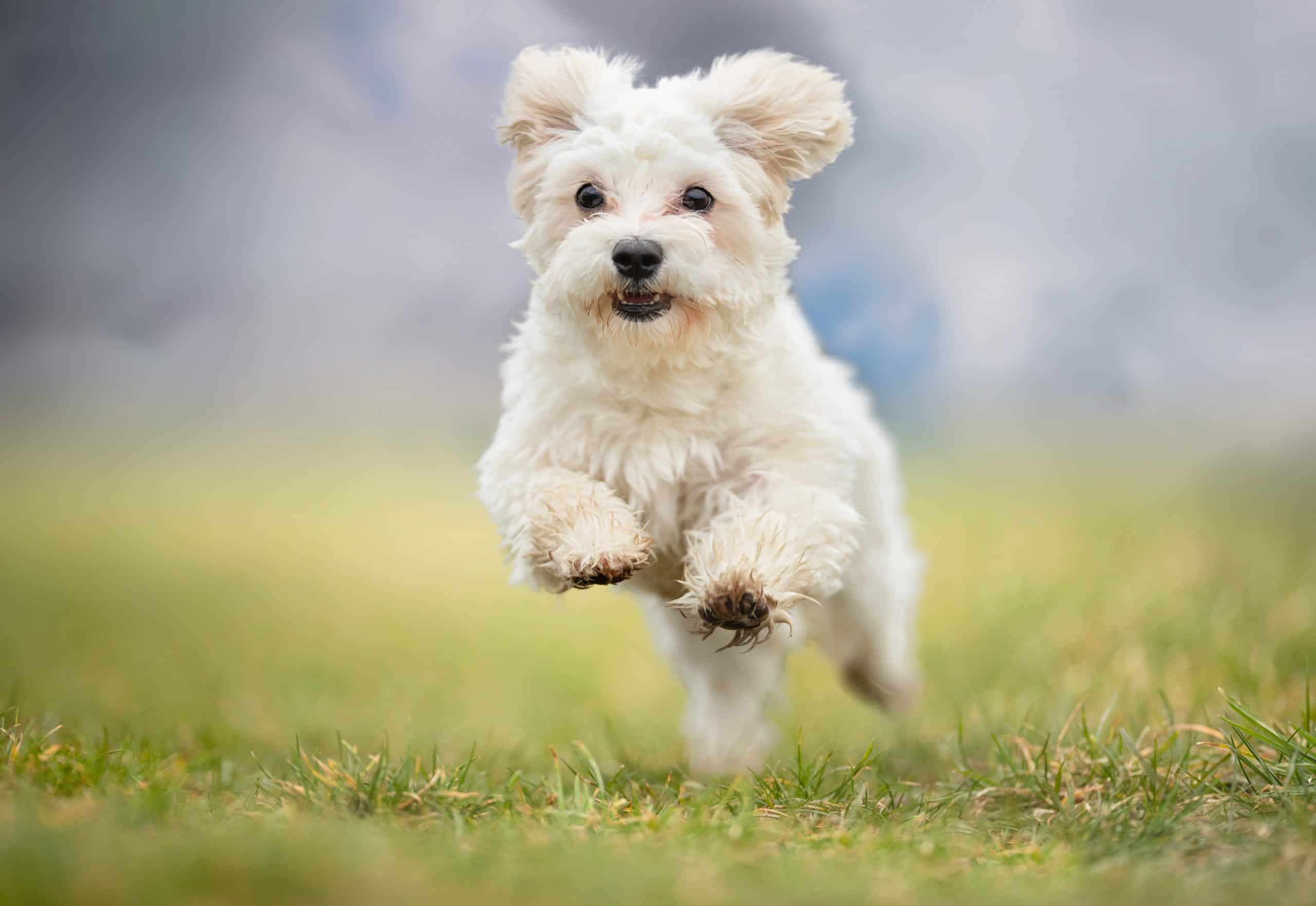
Maltese are small, but they are not inactive. AKC describes them as playful and says they require only occasional exercise to stay healthy and happy, while PetMD notes that they do well with daily activity but do not need vigorous exercise. In practice, that usually means short walks, indoor play, and regular interaction rather than intense workouts.
Maltese-specific owner posts make the breed feel more real here. People talk about dogs who get excited for every outing, enjoy multiple short walks, and stay better balanced when puzzles and sniffing activities are part of the day. That fits the broader expert guidance well: small body, moderate exercise needs, but still a real need for movement and engagement.
Good exercise choices for many Maltese
Many adults do well with a couple of short walks, indoor play, light training, and some kind of enrichment such as puzzle feeders, lick mats, or snuffle mats. BorrowMyDoggy’s breed guide gives a similar practical range of roughly 30 minutes to 1 hour per day, split across shorter sessions, which matches how many toy-breed owners naturally manage activity.
Diet and Exercise by Life Stage
| Life Stage | Diet Focus | Exercise Focus |
|---|---|---|
| Puppy | Frequent meals, careful food transitions, low blood sugar awareness | Short bursts of gentle play and supervised exploration |
| Adult | Measured portions, quality food, controlled treats | Daily walks, play, and mental enrichment |
| Senior | Monitor calories, digestion, and body condition closely | Gentle, steady movement adjusted for comfort and stamina |
This kind of age-based breakdown makes the advice easier to use in real life. Puppies need more feeding structure, adults need consistent portion control, and older dogs often benefit from keeping activity regular but gentler.
Mental Stimulation Counts Too
For a Maltese, mental engagement often matters almost as much as physical movement. PetMD notes that a bored Maltese may turn to unwanted behaviours such as excessive barking, which makes enrichment more than just a nice extra.
Owner advice adds the practical layer. Puzzle toys, snuffle mats, lick pads, short training games, and simple scent work come up again and again in Maltese discussions because they fit the breed’s size and personality so well. These activities help burn energy without putting unnecessary strain on a tiny frame.
Weight Management: Small Dog, Big Difference
Weight management deserves special attention with a Maltese because a pound or two can represent a very large percentage of their body weight. AKC’s nutrition guidance stresses that being at the right weight matters to overall health, and more recent breed-care sources also warn that obesity is a meaningful risk in small breeds if overfeeding becomes routine.
If a Maltese is getting harder to feel through the ribs, looks rounder through the body, seems less eager to move, or is getting lots of treats outside regular meals, it may be time to tighten up the routine and talk with a veterinarian. Real owner threads about Maltese size and weight show that this confusion is common enough to be worth addressing directly.
What a Healthy Maltese Routine Often Looks Like
For many homes, a healthy Maltese routine is not complicated. It may be breakfast and dinner for an adult dog, carefully measured, a couple of short walks, some indoor play, and a puzzle toy or quick training session later in the day. For a puppy, it usually means more frequent meals, shorter activity bursts, and much closer supervision.
The goal is not perfection. It is consistency. A Maltese usually does best when feeding, treats, exercise, and enrichment are handled on purpose rather than improvised from day to day.
Frequently Asked Questions
What type of food is best for a Maltese?
Most Maltese do well on a high-quality small-breed food with strong overall nutrition and a size they can comfortably eat. Breed-specific care guides also suggest paying attention to ingredient quality and how the food works for the individual dog.
How much should a Maltese eat each day?
That depends on age, activity level, body condition, and the food’s calorie density. For many adults, the amount is modest, which is why measuring matters. Package directions are only a starting point, not a rule that fits every dog.
How much exercise does a Maltese need?
Many Maltese do well with short daily walks, play, and mental stimulation rather than intense exercise. A practical target often falls around 30 minutes to 1 hour per day split into shorter sessions, depending on the dog.
Are Maltese puppies prone to low blood sugar?
Very small Maltese puppies can be prone to hypoglycemia, which is why frequent feeding is often recommended early on. This is one of the reasons puppy meal timing matters so much in toy breeds.
How do I keep my Maltese from gaining weight?
Measure meals carefully, keep treats under control, and make sure daily movement stays consistent. Small dogs can gain weight quickly from habits that seem minor.
Is walking enough exercise for a Maltese?
Walking helps, but many Maltese also benefit from enrichment such as puzzle toys, sniffing games, indoor play, and brief training sessions. That combination usually fits the breed better than relying on walks alone.
Final Thoughts
The Maltese may be tiny, but their care still benefits from detail and consistency. Good food, sensible portions, steady activity, and enough mental engagement can do a lot to support health and quality of life. The breed’s size makes routines more important, not less, because small missteps can have outsized effects over time.
A good Maltese plan does not need to be elaborate. It just needs to fit the dog in front of you and be followed consistently. That is usually what leads to a happier, healthier little companion.